
Annapurna Base Camp and Everest Base Camp are Nepal’s two signature treks, but they’re not as similar as they sound. Different regions, different cultures, different trails, and a different level of challenge. Here are the real differences, so you can choose with your eyes open.
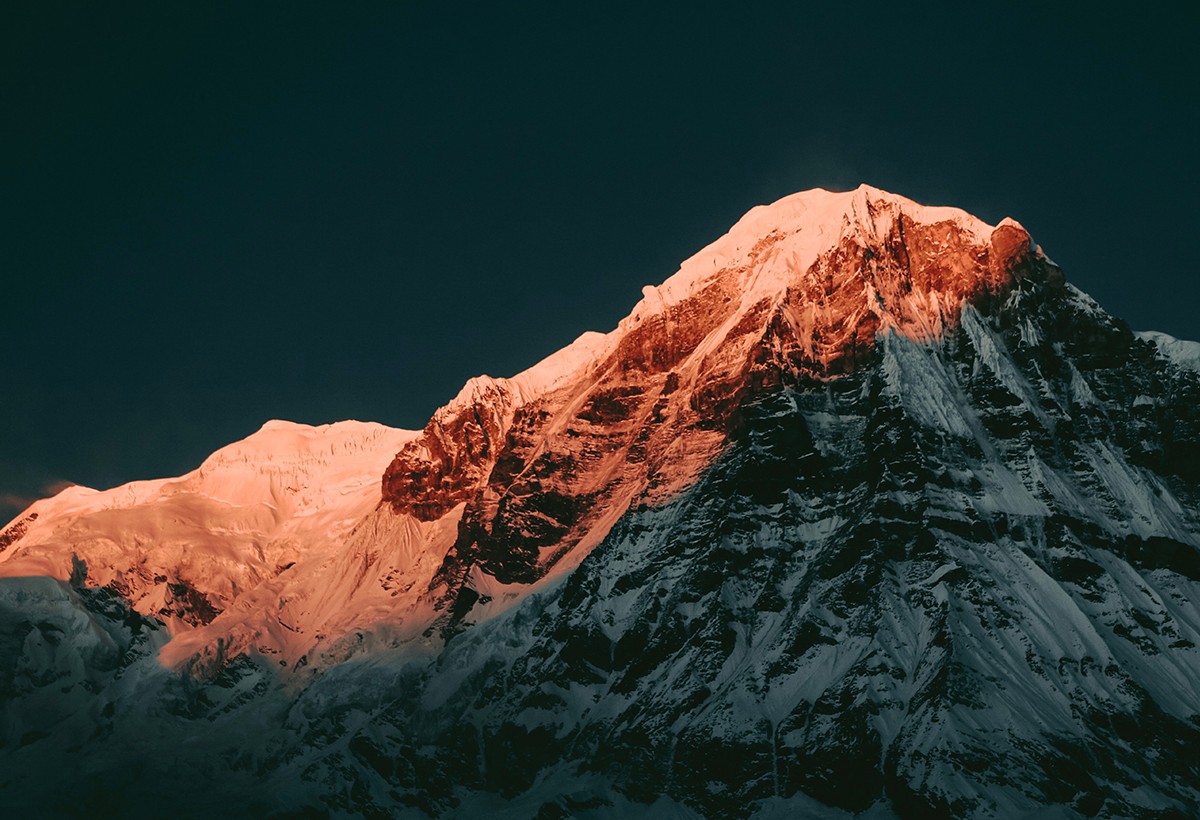
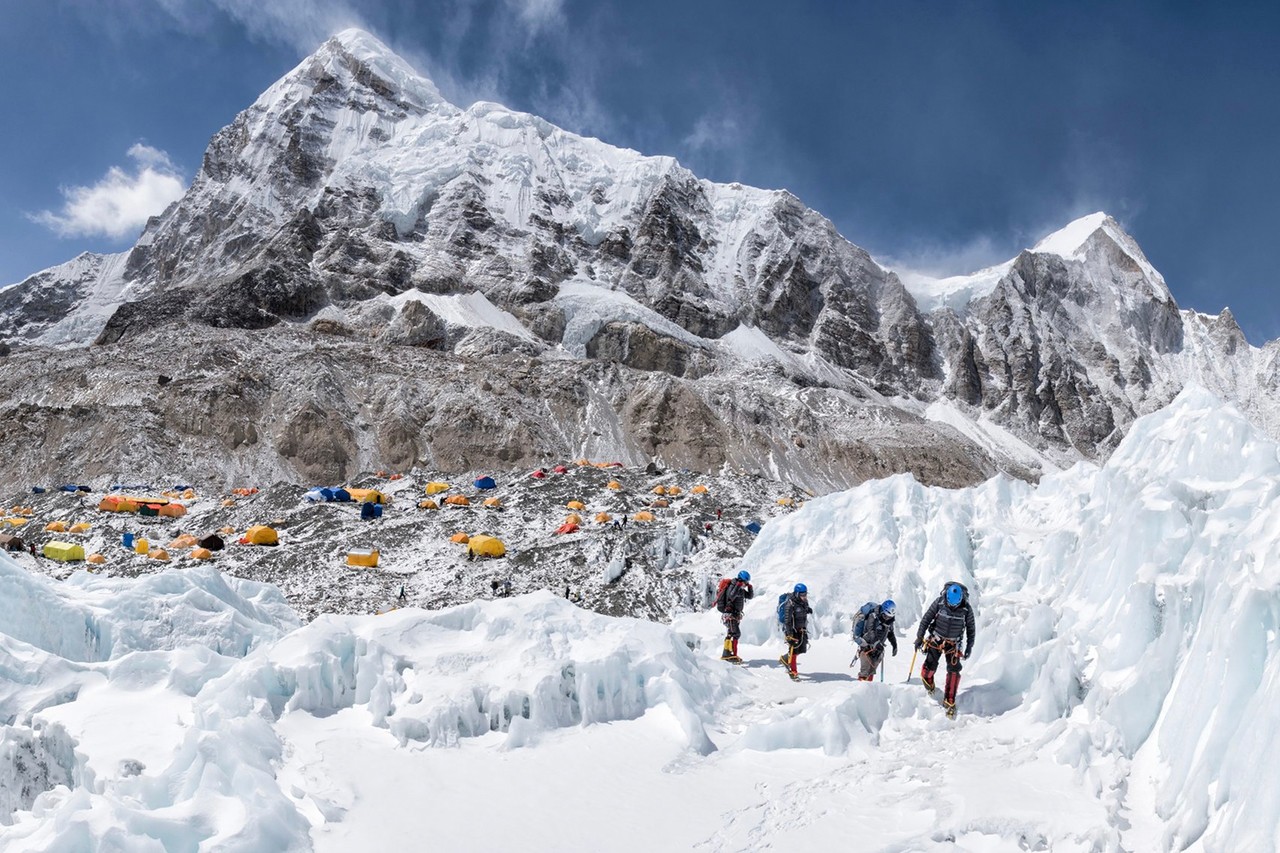
Annapurna Base Camp sits at 4,130 m, and it’s a shorter, lower-altitude trek — it demands decent fitness, but the risk of altitude sickness is low and the overall toll on your body is smaller. Everest Base Camp climbs to 5,364 m, with longer days and more consecutive days above 4,000 m: more effort from both the distance and the altitude, which also means more cold, especially at night in the higher Khumbu villages. Neither requires climbing technique or previous mountaineering experience.
It’s not just a change of scenery, it’s a change of people. The Everest Base Camp route runs through the Khumbu, Sherpa territory: Tibetan Buddhism, prayer flags over every pass, monasteries like Tengboche, and a mountain culture built around Everest itself for generations. Annapurna, by contrast, runs through Gurung and Magar territory — farming communities with their own temples and customs, quite different from the Khumbu even though both are part of the Nepali Himalaya. If the cultural side matters to you as much as the mountains, these are two experiences that don’t overlap.
The Annapurna trail has long stretches of stone steps — especially dropping into and climbing back out of the Chhomrong valley — that wear on the legs, and since it’s a closed valley for much of the route, the view doesn’t always reward every hard stretch. The trail to Everest Base Camp, by contrast, is open almost the whole way, with 6,000–8,000 m peaks in view, so the effort feels more rewarded step by step, even though the altitude (and the cold) weigh more. If you want a demanding walk with constant scenery, Everest is the one; if you’d rather have less altitude, less cold, and don’t mind steps, go for Annapurna.
Annapurna drops you into a natural amphitheatre ringed by peaks over 7,000 m that feel astonishingly close — rhododendron forest and a sense of vastness packed into just a few days. Worth clarifying one thing: Annapurna Base Camp isn’t a technical expedition base camp — climbers summiting Annapurna I use a different route and higher camps beyond it. What makes this destination special isn’t the climbing, it’s walking into the exact centre of that amphitheatre of peaks, something no other trek in Nepal replicates. Everest Base Camp is a different animal: real high mountains, glaciers, the Hillary suspension bridge, and, at the end, the chance to stand at the foot of the tallest mountain on the planet — and this one really is the base camp climbing expeditions launch from. It’s a starker, more exposed landscape, but also a more iconic one.
You reach Annapurna via Pokhara: a roughly 25-minute flight from Kathmandu, or 6–7 hours by tourist bus or car on the road, then a drive to the trailhead — simple, predictable logistics. You reach Everest Base Camp by flying from Kathmandu to Lukla, one of the world’s most famous (and feared) airports: a short, sloped runway wedged between mountains, with flights frequently cancelled or delayed by weather — in peak season it sometimes departs from Ramechhap instead, adding several hours by road. It’s part of the experience: it’s the mandatory gateway into the Khumbu, and for many trekkers the flight to Lukla is already a story in itself before the walking even starts.
Annapurna takes about 7–9 days. Everest Base Camp is around 14 days including Kathmandu, with more acclimatisation days and more buffer for flight delays.
If this is your first high-altitude trek, you have less time, or you’d rather have less altitude and less cold, Annapurna is the sensible choice. If your goal is specifically Everest — seeing it up close, not just reading about it — and you have more days to spare, Everest Base Camp is the experience you’re after. At Thin Air we run both, with a government-licensed guide and small groups; if you’re not sure which, tell us what you’re after and we’ll help you decide.
See the Annapurna Base Camp trek · See the Everest Base Camp trek