
In the far east of Turkey, almost touching the borders of Armenia, Iran and Azerbaijan, rises Ararat: the country’s highest mountain, 5,137 meters, and the one tradition points to as the place where Noah’s Ark came to rest. It’s one of those mountains everyone has heard of and almost no one has climbed.
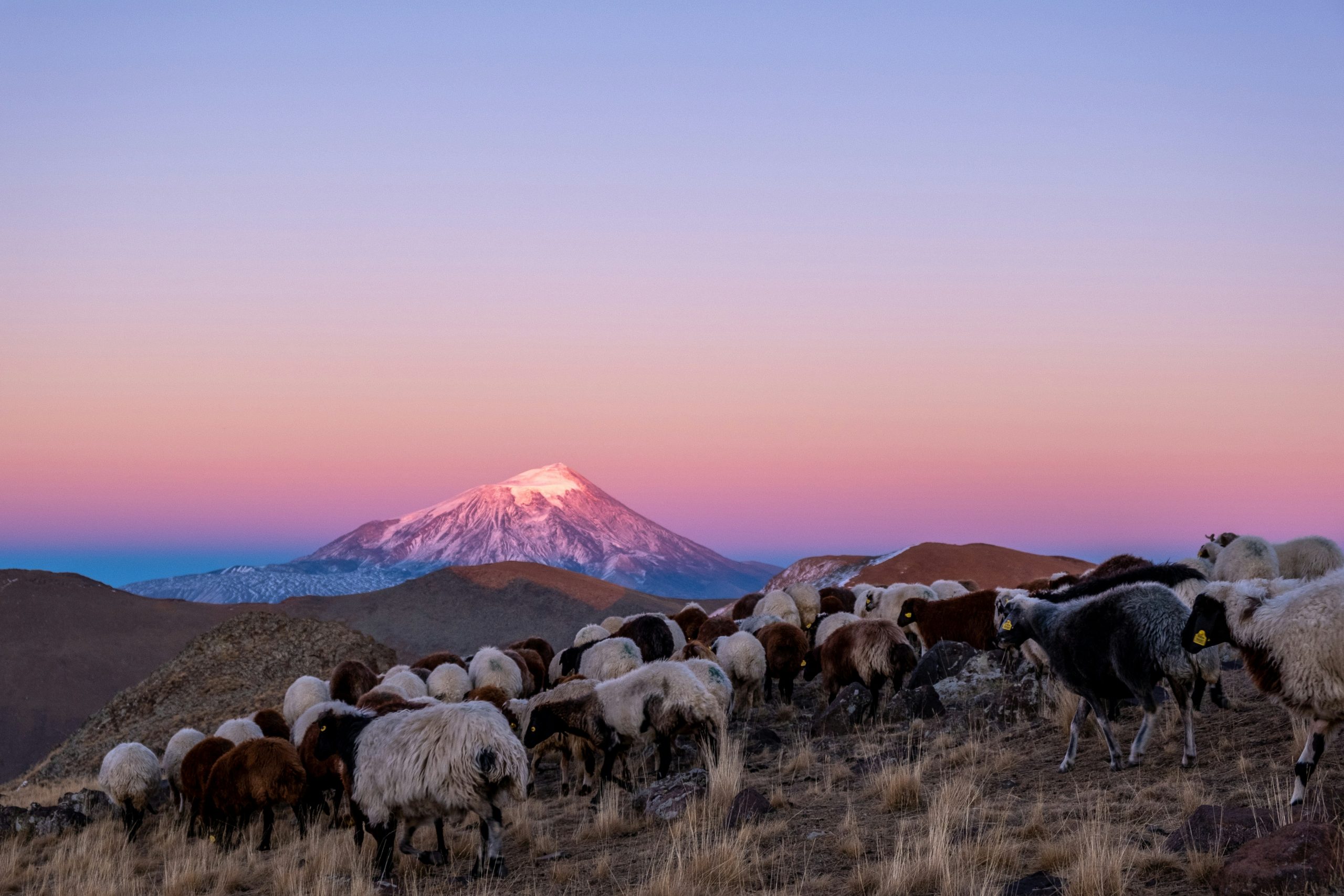
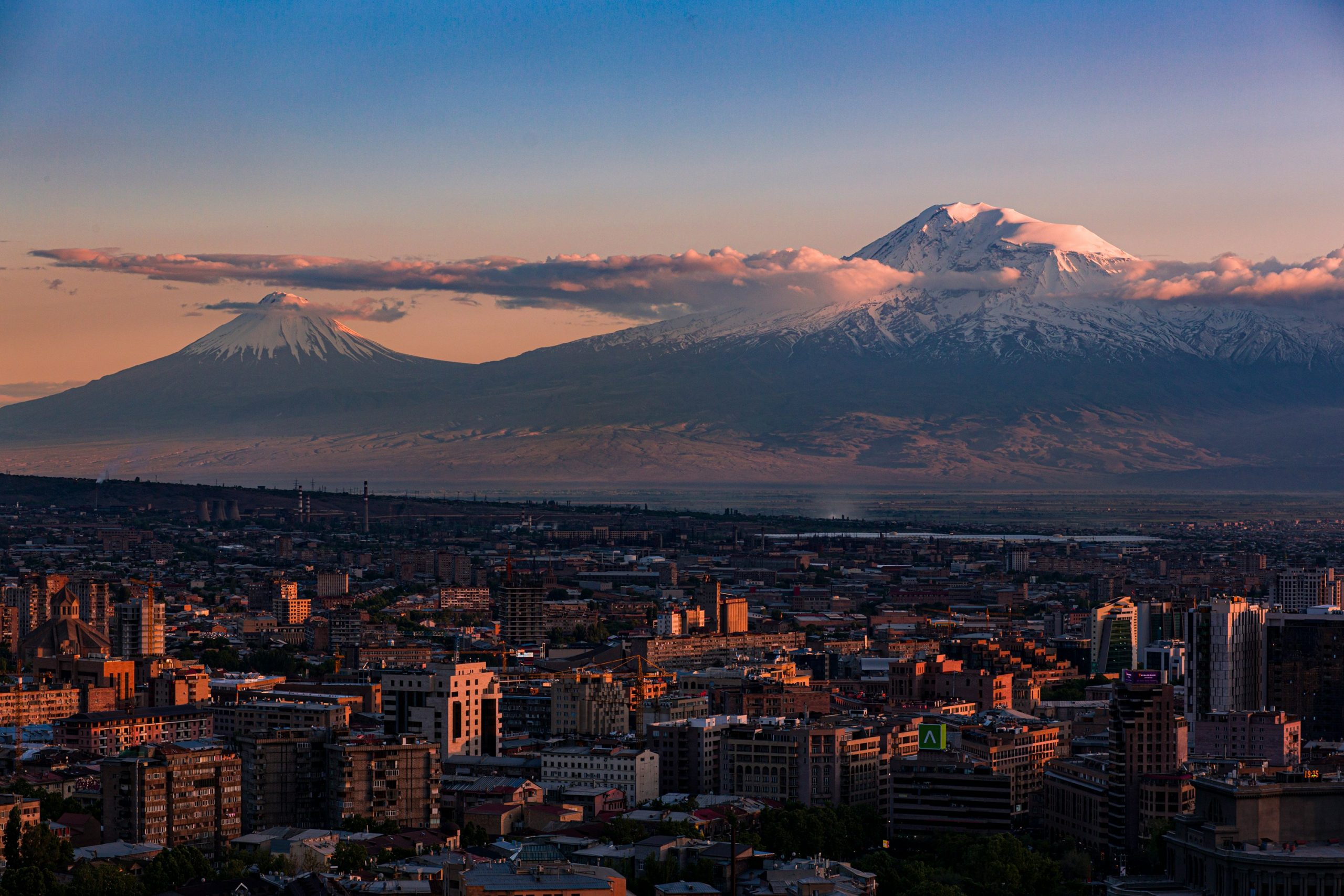
Ararat is actually an extinct volcano with two cones: Greater Ararat, the one you climb, its 5,137 meters permanently snow-capped, and Lesser Ararat, a smaller, sharper cone beside it, around 3,896 meters. It rises alone on a plain, with no surrounding range, so it’s visible for miles in every direction: a presence that dominates the landscape of three countries at once.
You fly into Istanbul and then take a domestic flight to Van, in the far east of the country. From there, the road skirts Lake Van, Turkey’s largest lake, before reaching Doğubayazıt, the town at the foot of the mountain where the expedition begins.
The route climbs the south side. Mules carry the gear to a first camp near the village of Eli, at around 2,200 meters, and from there you move up to base camp, around 3,200. High camp, the last one before the summit, is set up at around 4,200 meters, at the foot of the final stretch of snow and rock that leads to the 5,137-meter summit.
And it’s more accessible than its legend suggests. The standard route is, above all, a long walk over loose rock and scree, with crampons and an ice axe only on the final snow section before the summit: no previous technical experience is needed, though it’s also a good quick add-on for anyone who has already climbed other peaks. The full expedition takes between 4 and 5 days, including acclimatization, which makes it one of the most accessible and fastest 5,000ers out there.
It also has an unusually practical advantage: it’s reachable with a flight and a single stopover in Istanbul from much of Europe and the Middle East, without the long logistics of other high-altitude expeditions. For anyone looking for a 5,000-meter peak without a long or expensive expedition, Ararat is one of the most convenient options in the catalog.
Genesis says the ark came to rest “on the mountains of Ararat”, plural, actually referring to an entire region rather than a single peak. It was an 11th-century Armenian tradition that ended up pointing to this specific mountain, and the name stuck. Since the 19th century, stories of supposed ark remains spotted on its slopes have kept surfacing, but no find has ever been scientifically confirmed: historians treat them as legend, not real archaeology.
And there’s another curiosity, besides the ark: although it’s in Turkey today, Ararat has appeared on Armenia’s national coat of arms since 1918, and it’s clearly visible from Yerevan, its capital, on clear days. True or not, climbing it knowing you’re standing on the mountain of one of humanity’s most told stories, and the symbol mountain of a neighboring country, adds another layer to the experience.
See Mount Ararat