
Lobuche East, Island Peak, and Mera Peak are Nepal’s three most popular “trekking peaks” — that’s the official classification from the Nepal Mountaineering Association, a category meant for summits up to 6,500 m that don’t require you to be a professional alpinist. The name is a bit misleading, though: all three call for real crampon, ice axe, and fixed-rope technique at some point. Most people show up never having practiced any of that before, and pick it up on the spot, with guided instruction, in the days leading up to the summit push itself.
All three sit in the Khumbu region, near Everest, and you fly into Lukla to start, but each one heads off in a different direction. Lobuche East is right next to Everest Base Camp, in the village of Dzongla, so it’s the one that strays least from the classic trek. Island Peak (Imja Tse) rises from the Imja valley, near Chhukung, and its summit day mixes rock, snow, and ice — not just the final wall that usually shows up in photos — the most varied terrain of the three. Mera Peak, on the other hand, branches off the Khumbu valley into the much quieter Hinku valley, which makes it by far the longest approach of the three.
People mix them up constantly, so here are the real differences.
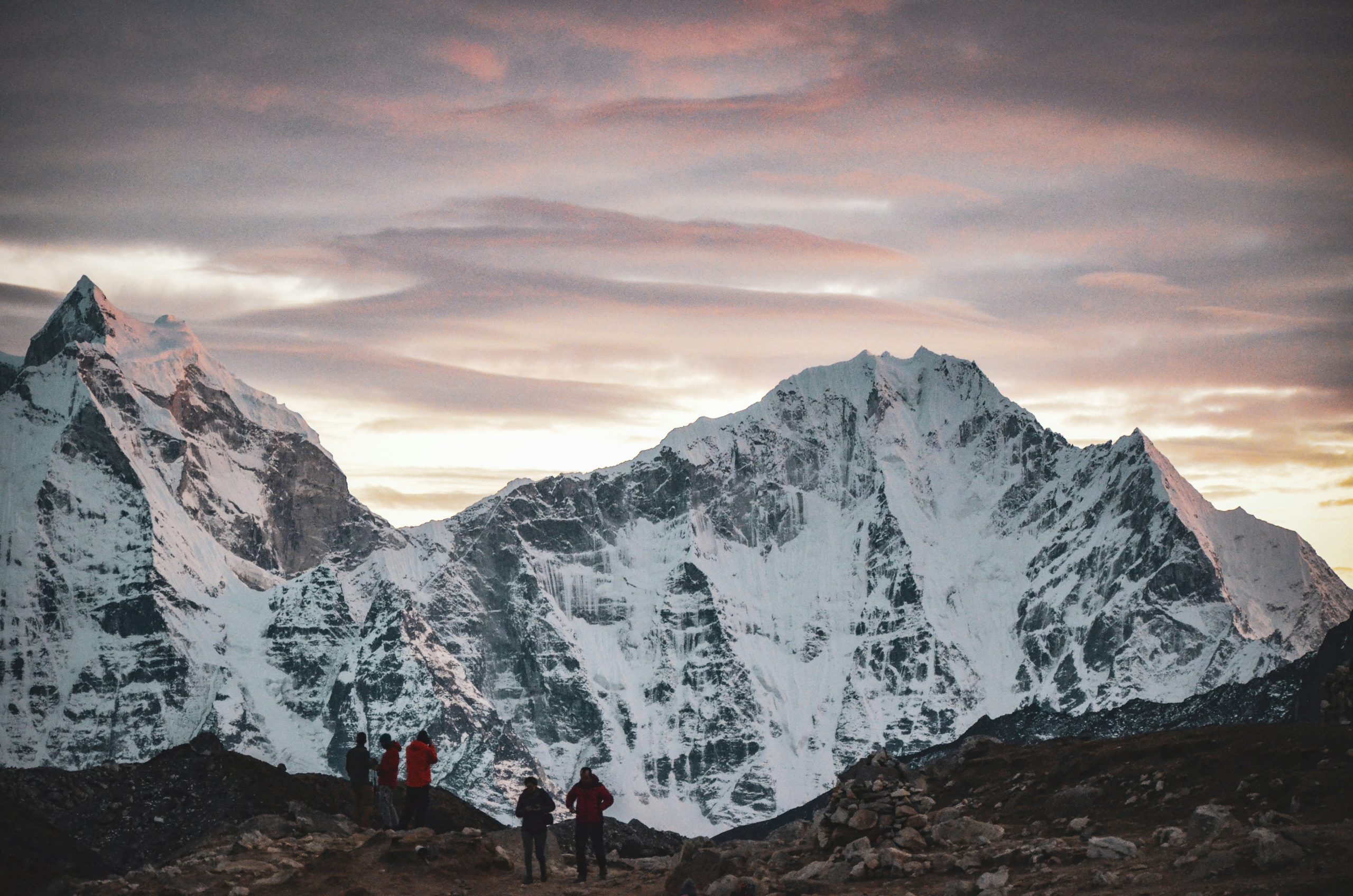
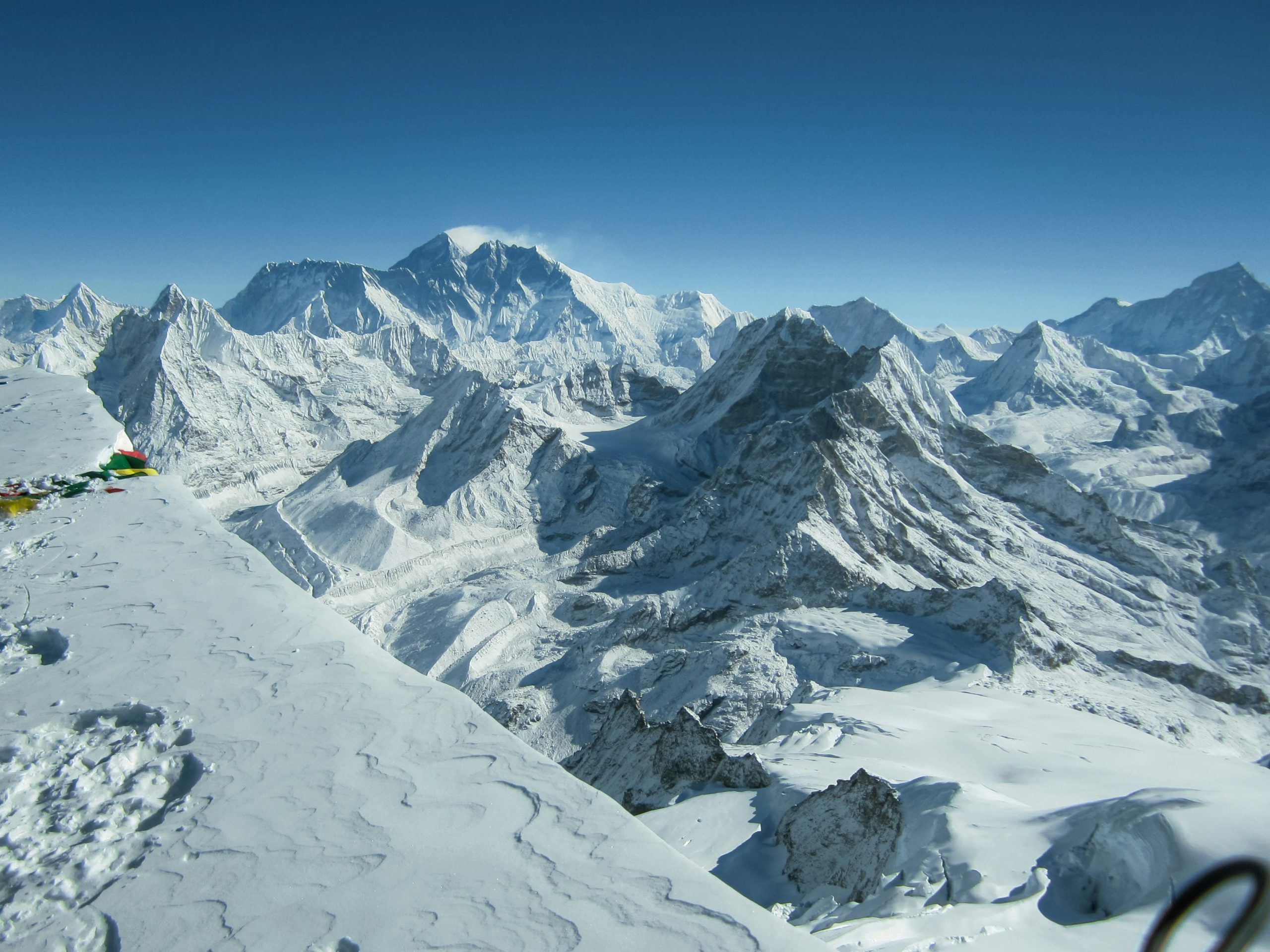
- Lobuche East (6,119 m): the most technical of the three despite being the lowest — the final ridge before the summit is narrow and exposed, with fixed-rope sections that call for solid crampon skills.
- Island Peak / Imja Tse (6,189 m): known for its final ice wall, with a nearly vertical fixed rope — demanding on that one stretch, but the rest of the climb is more straightforward than Lobuche East.
- Mera Peak (6,476 m): the highest of the three and, paradoxically, the least technical — the difficulty here is almost entirely about altitude and endurance, not climbing.
It depends on which kind of difficulty worries you. If it’s rope and crampon technique on exposed terrain, Lobuche East and Island Peak are more demanding than Mera Peak. If it’s altitude itself, Mera Peak hits hardest, being the highest of the three. None of the three is suitable for someone with zero prior experience on snow and ice, though all three are guided, with basic training included before the summit push.
All three are climbed mainly during the two dry seasons: March to May (pre-monsoon) and late September to early December (post-monsoon), when the weather is more stable and snow and ice more predictable. Outside those windows the risk goes up a fair amount — more wind, less stable snow, worse visibility.
All three require a trekking peak permit issued by the Nepal Mountaineering Association, different from the permit for a bigger technical mountain — it’s handled as part of the expedition, not something you need to arrange yourself.
In terms of duration, all three run between 16 and 19 days from Lukla, acclimatization included: Lobuche East and Island Peak a bit shorter since they stay within the Khumbu circuit, Mera Peak a bit longer because of the detour into the Hinku valley.
See the Lobuche East Expedition