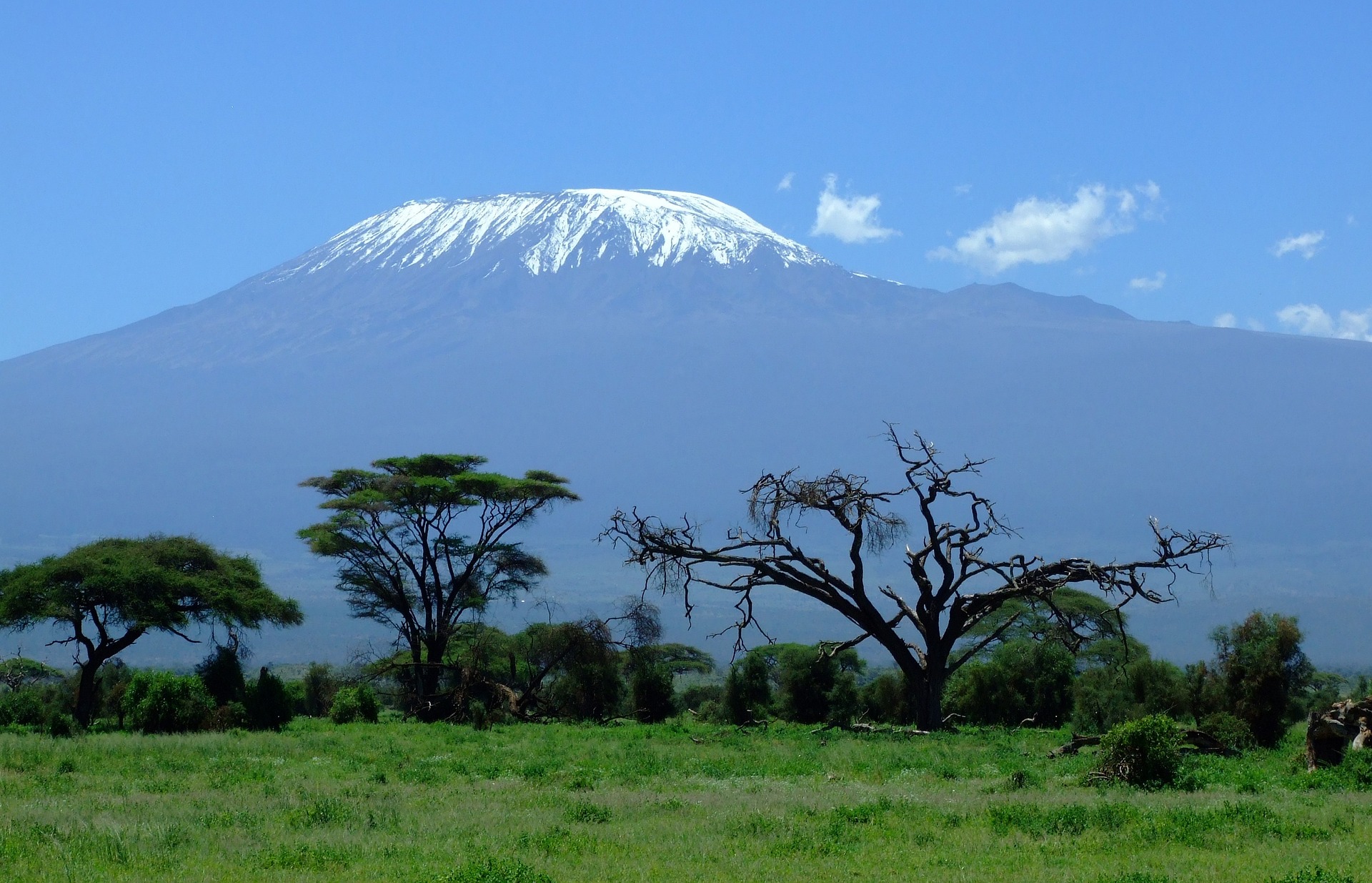
Kilimanjaro can be climbed year-round — it doesn’t have a “permit season” like other mountains — but that doesn’t mean every month is equally good. The weather on the mountain changes a lot depending on the month, and picking the right dates makes a direct difference to how enjoyable (or tough) the climb feels.
There are two clearly better windows: mid-January to mid-March, and June to October — but they’re not the same as each other.
- January–mid-March: fewer people on the mountain, clear skies, and colder — it’s common to see a snow-capped summit, which is beautiful but means packing proper warm layers. January and February are the driest, warmest months of this window; by mid-March the first rains are already starting to show.
- June–July: the start of peak season — clear skies, but the coldest, windiest nights of the year at the high camps.
- August–September: the busiest stretch, largely because of the European summer holidays — very stable weather, but the camps and trail feel noticeably more crowded.
- October: still within the dry window, with far fewer people than August–September and still reliably good weather.
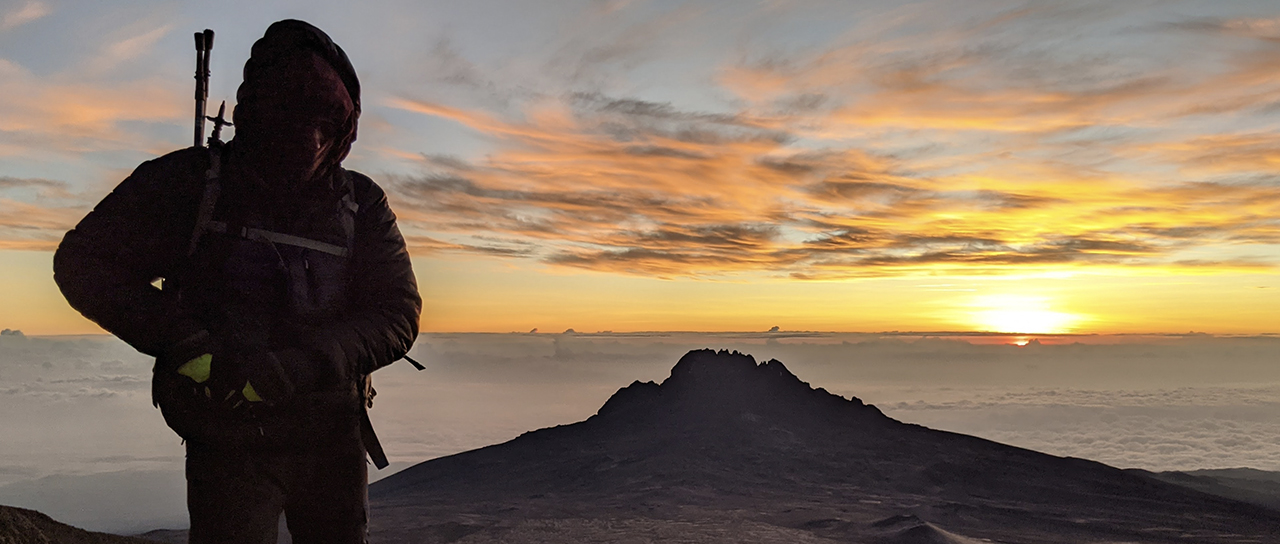
The season mostly changes the rain, cloud cover and snow — not so much the cold at the summit, which is tough year-round. At Uhuru Peak (5,895 m), night-time temperatures typically drop to between −15°C and −20°C, with wind, whatever month it is. At the base, by contrast, it’s tropically warm (20–27°C in the day). That combination — rainforest at the foot, ice at the top — is part of what makes Kilimanjaro so unusual: in a single week you cross five different climate zones.
How much snow sits on the summit varies with the season, although Kilimanjaro’s permanent glaciers have retreated significantly over recent decades. From November to March you’re more likely to find a snow-capped summit, with the crater and Uhuru Peak covered in white for the classic summit photos. From June to October it’s more common to find volcanic rock and residual ice on view, with less fresh snow. Neither situation changes the technical difficulty — you still don’t need climbing experience — but it does change the look of your summit photos quite a bit.
April, May and part of November fall within the long and short rainy seasons — the trails turn muddy, visibility drops a lot, and your odds of a clear-weather summit fall. It’s not impossible to climb in those months, but it’s not what we’d recommend if this is your one shot at it. April and May are by far the worst: rain practically every day and dense fog through the forest zones.
We schedule our guided departures within the dry windows, to maximise the chances of good weather and a successful summit. Thin Air’s next Kilimanjaro departure is in March 2027, via the Lemosho route — rainforest, alpine desert, and a strong summit success rate thanks to the pacing of the ascent.
See the Kilimanjaro expedition