
In Lukla, almost every trekker turns north towards Everest Base Camp. The road to Mera Peak goes the other way: east, over the Zatrwa La pass, into the Hinku Valley, a far quieter corner of the Khumbu. At the head of that valley, south-east of Everest, rises Mera: 6,476 metres of broad, gentle glacier, considered the highest trekking peak in Nepal.
Mera has no rock climbing and no vertical walls. You climb a glacier with crampons, harness and ice axe, roped up with the guide, and no advanced mountaineering skills are needed. What makes it demanding is the altitude: several nights above 5,000 metres and a long summit day, so you need very good fitness and the patience to acclimatise.
That makes it a good fit both for people stepping up from big treks and for climbers who have already done other mountains and are looking for their next Himalayan summit. If you have never worn crampons, tell Isa when you book and she’ll help you prepare.
The route we run at Thin Air starts with the flight to Lukla and a short first stage to Chutanga (3,060 m). The next day we cross the Zatrwa La at 4,610 metres and drop to Thuli Kharka. From there the trail enters the Hinku Valley through rhododendron forest: Kothe (4,095 m), Thangnak (4,350 m) and finally Khare (5,054 m), at the foot of the glacier.
At Khare there is a full day of rest and acclimatisation, and a gear check with the guide before going higher.
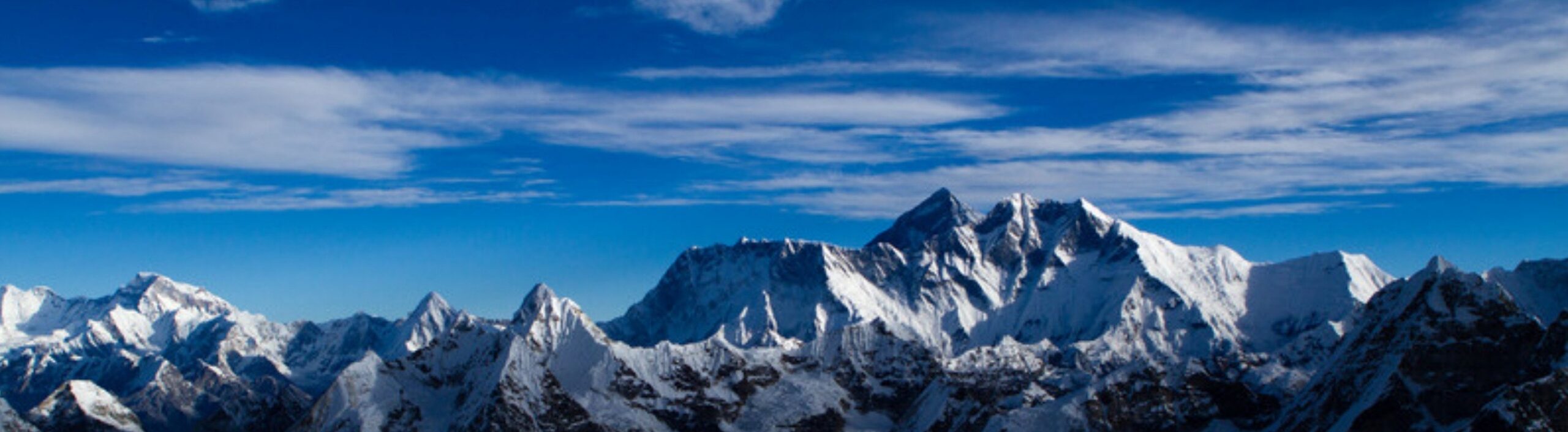
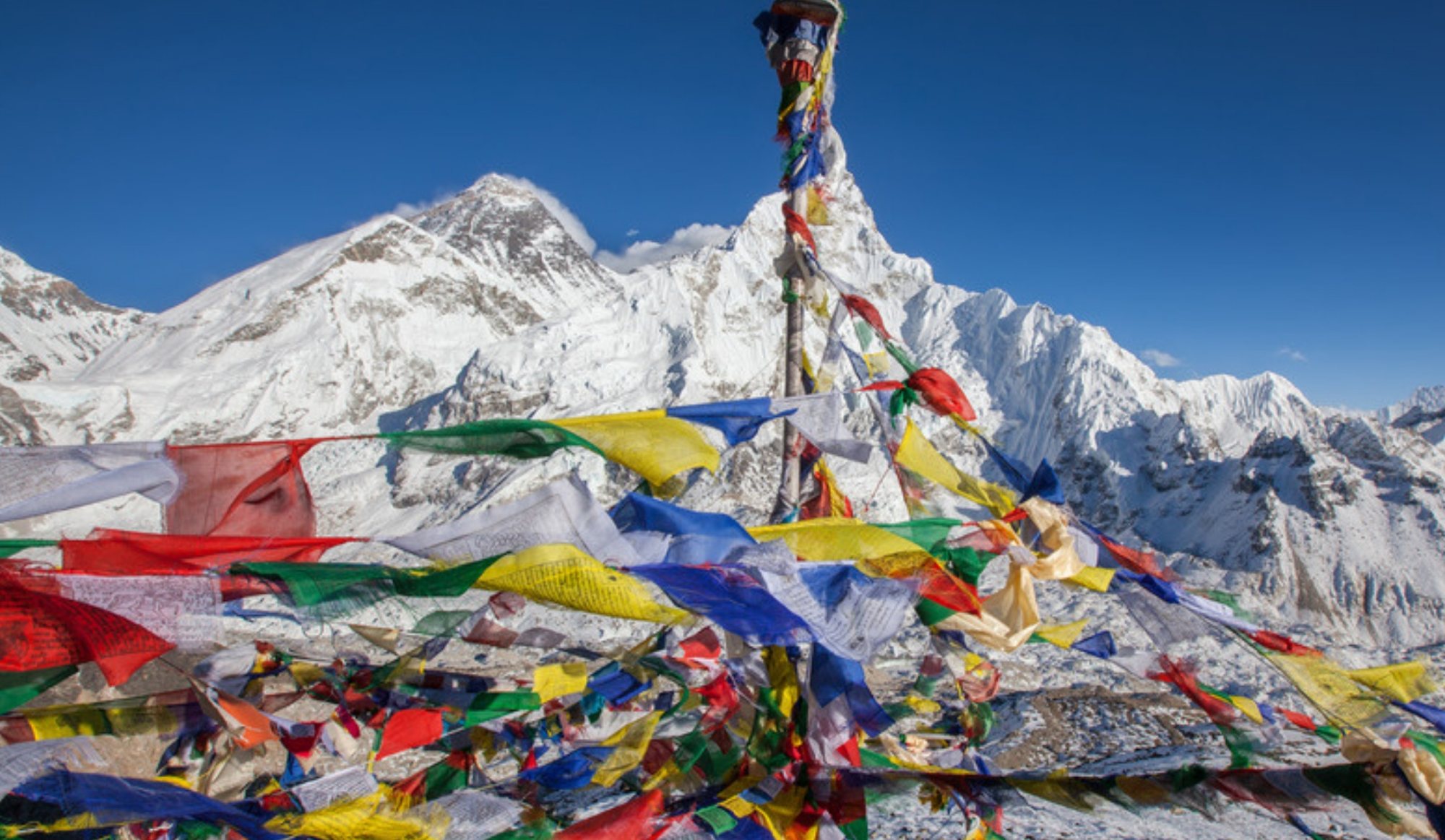
High Camp sits at 5,790 metres, on the glacier itself. You leave before dawn, by headtorch, up a wide snow slope that is not technical but is very high. When the sun comes up and you reach the summit, the horizon fills with names: Everest, Lhotse, Makalu, Cho Oyu and Kangchenjunga, five of the planet’s fourteen 8,000ers.
The same day you descend to Khare, and the itinerary keeps a spare day in case the weather forces a delay.
Spring (April and May) and autumn (October and November) are the two main climbing seasons in Nepal. Our next departure is in spring, from 24 April to 9 May 2027: sixteen days from Kathmandu, with domestic flights, permits, licensed guide and porters included.
Mera was first climbed on 20 May 1953, nine days before Hillary and Tenzing Norgay stood on the summit of Everest. The climbers were the British officer Jimmy Roberts and Sen Tenzing. Roberts stayed in Nepal and in 1964 founded the country’s first trekking and mountaineering agency, so in a way Mera sits at the very start of the trekking trips that cross the Himalaya today.
See the Mera Peak Expedition