
The Cordillera Huayhuash is barely 30 kilometres long, but it packs in six peaks over 6,000 metres, dozens of turquoise lakes and some of the most dramatic mountain scenery in the Andes. Walking all the way round it, for about ten days and above 4,000 metres, is one of the great treks of the world.
In this guide we cover what the circuit is like, how hard it is, when to go and how to prepare.
At a glance: about 115–120 km · eight passes between 4,600 and 5,000 m · season May to September · 10 days of trekking (15 in total from Lima) · camping every night.
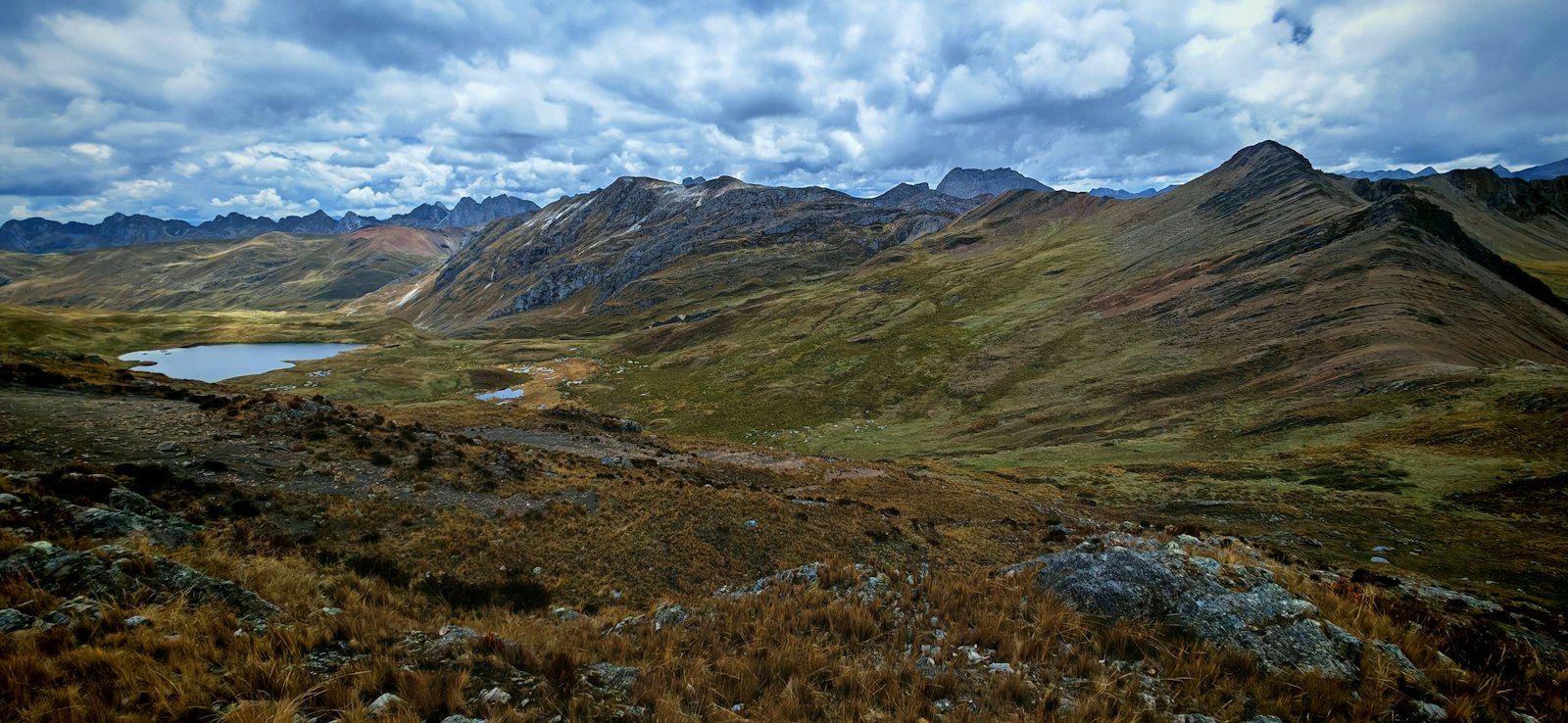
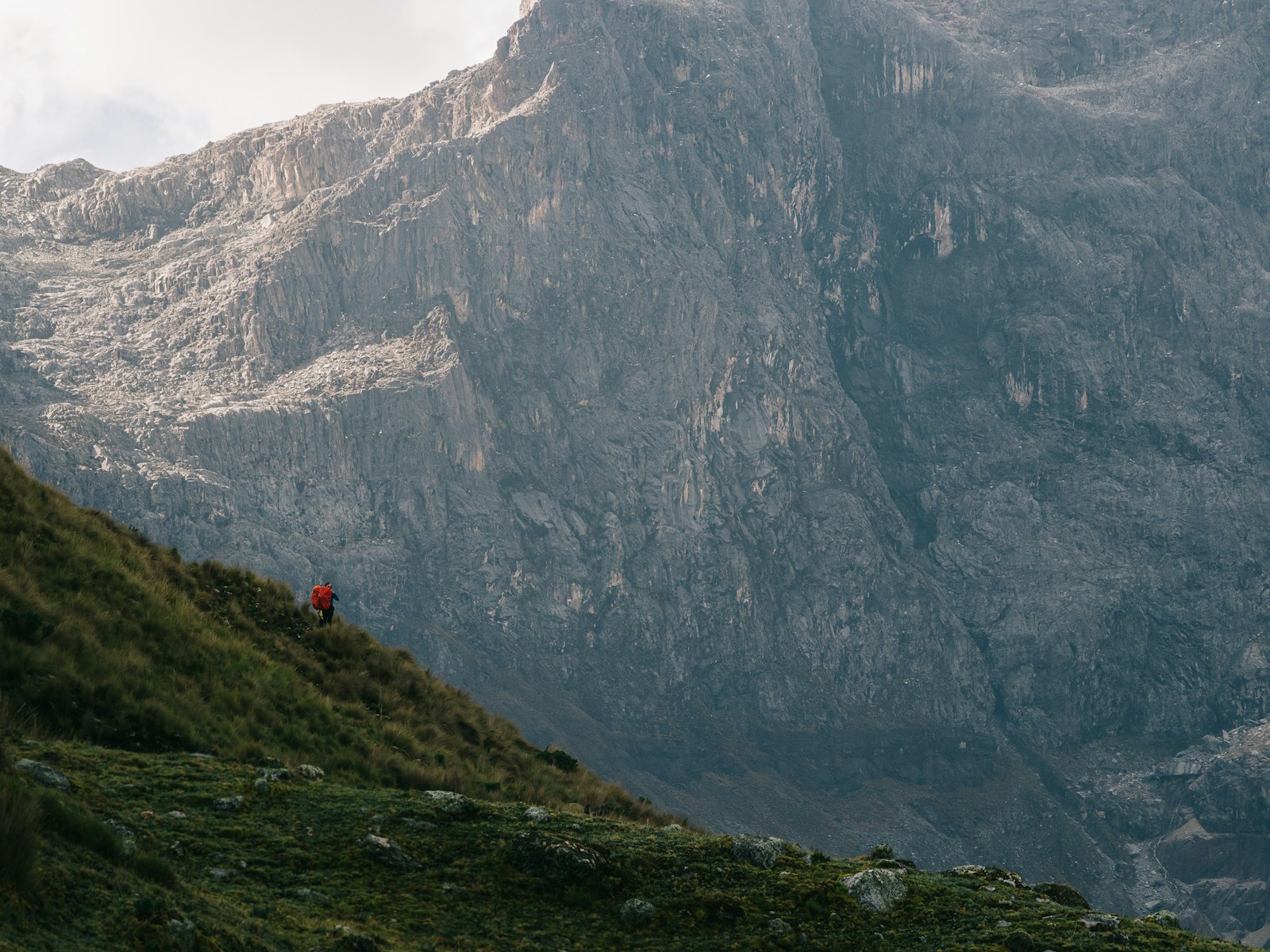
The Huayhuash lies in the central Andes of Peru, between the regions of Áncash, Huánuco and Lima, south of the Cordillera Blanca. Its highest peak is Yerupajá (6,635 m), the second-highest mountain in Peru, and next to it rises Siula Grande, known worldwide from the book and film “Touching the Void”, the story of Joe Simpson and Simon Yates in 1985.
There are no roads inside the circuit and no big huts: you sleep in tents, at campsites run by the local farming communities, who charge a small fee to cross their land.
The classic circuit starts at Cuartelhuain, about five hours by road from Huaraz via Chiquián, and ends in the village of Llamac. Along the way you cross eight passes: Cacanan, Carhuac, Siula, Portachuelo, Cuyoc, Santa Rosa, Tapush and Yaucha.
Highlights include sunrise at Laguna Carhuacocha, with Yerupajá and Siula reflected in the water; the three-lakes viewpoint below Siula Grande; the Viconga hot springs, halfway round; and the view from the Huacrish viewpoint over Laguna Jahuacocha on the last night.
Donkeys and arrieros carry the tents, the kitchen and most of the luggage, so you walk with a day pack.
It is a demanding trek. There is no climbing and no technical sections, but it means ten days in a row walking 4 to 10 hours, with several passes of almost 5,000 metres and nights camping above 4,000 metres, where it gets properly cold.
Acclimatisation matters most, which is why our trip includes a free day in Huaraz and a day trip to Laguna Rocotuyoc (4,450 m) before setting off. If it is your first trek at altitude, read about altitude sickness and how to train in the months before.
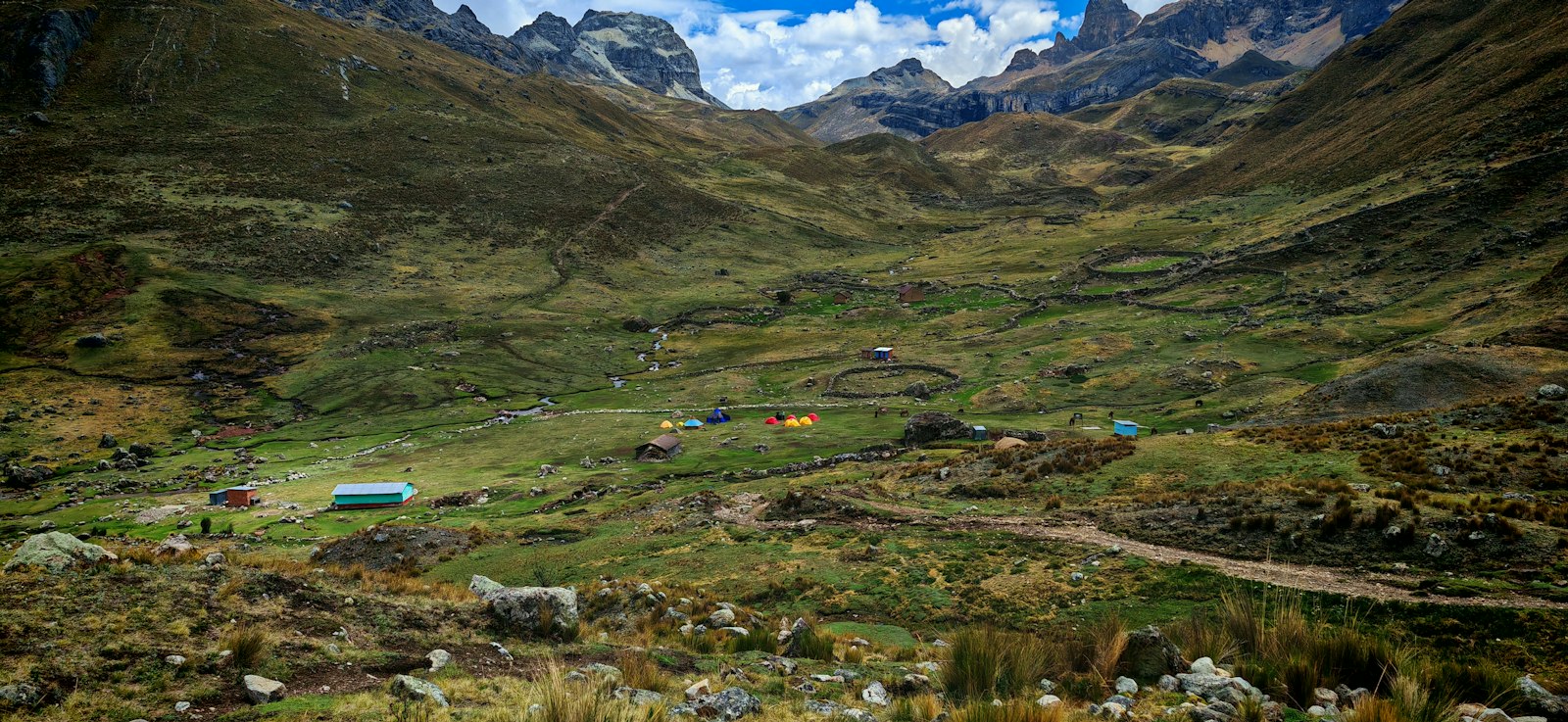
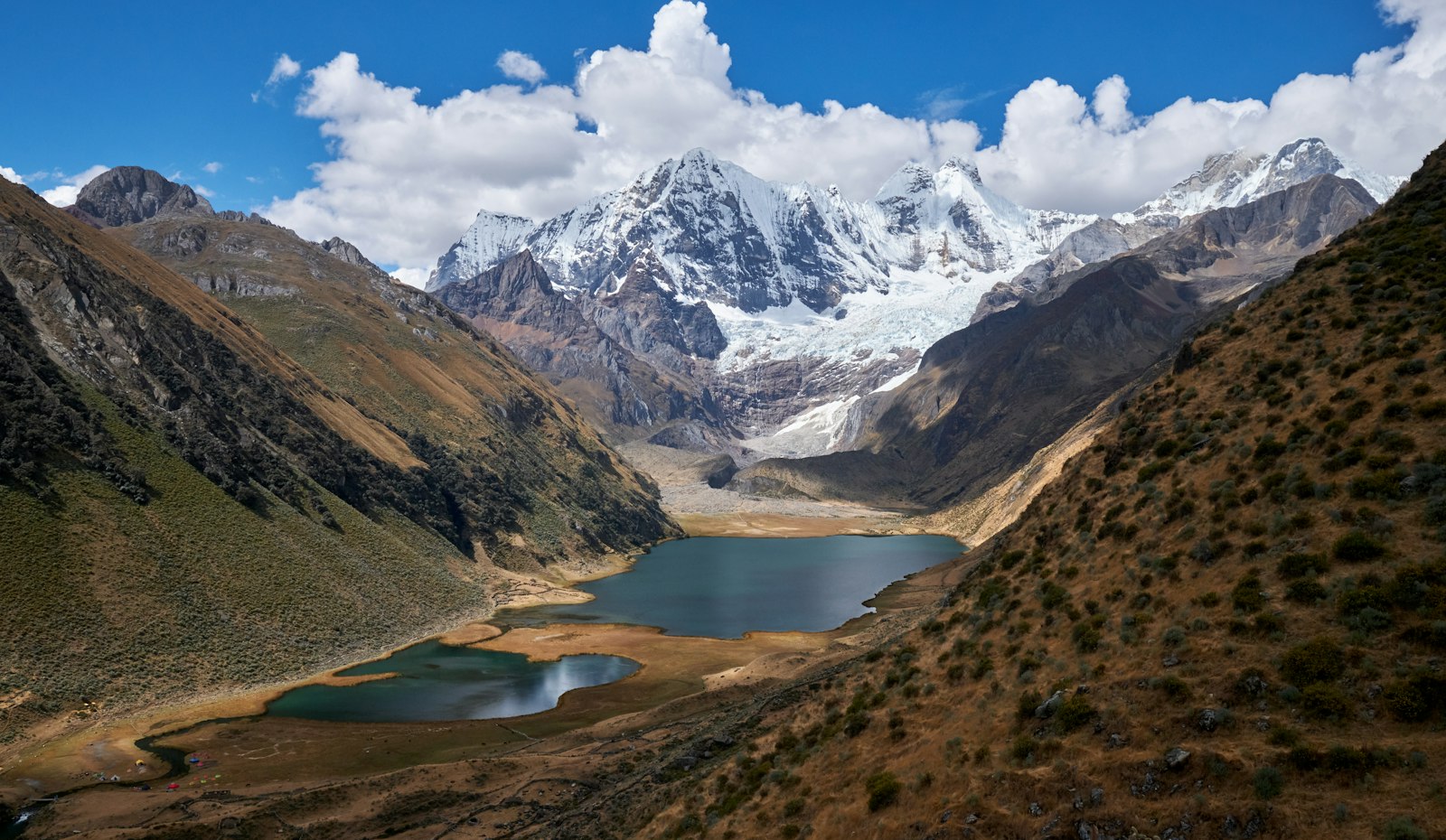
The best time is the dry season, from May to September, with sunny days and cold nights, often below freezing at the higher camps. From October to April it rains often and the trails and passes become harder.
The gateway is Lima. From there you reach Huaraz in about eight hours by bus or with a short flight to Anta, near the town. Huaraz, at 3,050 metres, is the ideal place to spend the first days acclimatising before heading to the Huayhuash.
At the end of the circuit you are perfectly acclimatised, which makes it the ideal moment to try a snow summit. Nevado Pisco (5,752 m), in the Cordillera Blanca, is climbed in three days from Huaraz and is one of the most popular mountains in Peru.
We have a departure from 29 May to 12 June 2027, with more dates from May to September on request: 15 days from Lima, with two days of acclimatisation in Huaraz, ten days on the circuit with a cook, arrieros and donkeys, hotels in Lima and Huaraz and entrance fees included.
How many days do you need for the Huayhuash circuit?
The full circuit is about ten days of trekking. With arrival, acclimatisation in Huaraz and the return, the whole trip from Lima takes about 15 days.
What is the highest point?
The highest passes on the circuit, such as Cuyoc and Santa Rosa, are around 5,000 metres.
Do I need previous experience?
You do not need climbing experience, but you do need good fitness and ideally some previous trekking at altitude.
When is the best time to go?
From May to September, in the dry season.