Bolivia is one of the best countries in the world for high-altitude mountaineering: from La Paz you can reach peaks of over 5,000 and 6,000 metres in a few hours, with short approaches and very stable weather in the dry season. Two of its finest summits are Pequeño Alpamayo, in the Cordillera Real, and Sajama, the highest mountain in the country.
In this guide we cover what they are like, how hard they are and how to combine them in one trip.
At a glance: Pequeño Alpamayo 5,370 m · Sajama 6,542 m · season May to September · 11 days from La Paz · experience with crampons and ice axe needed.
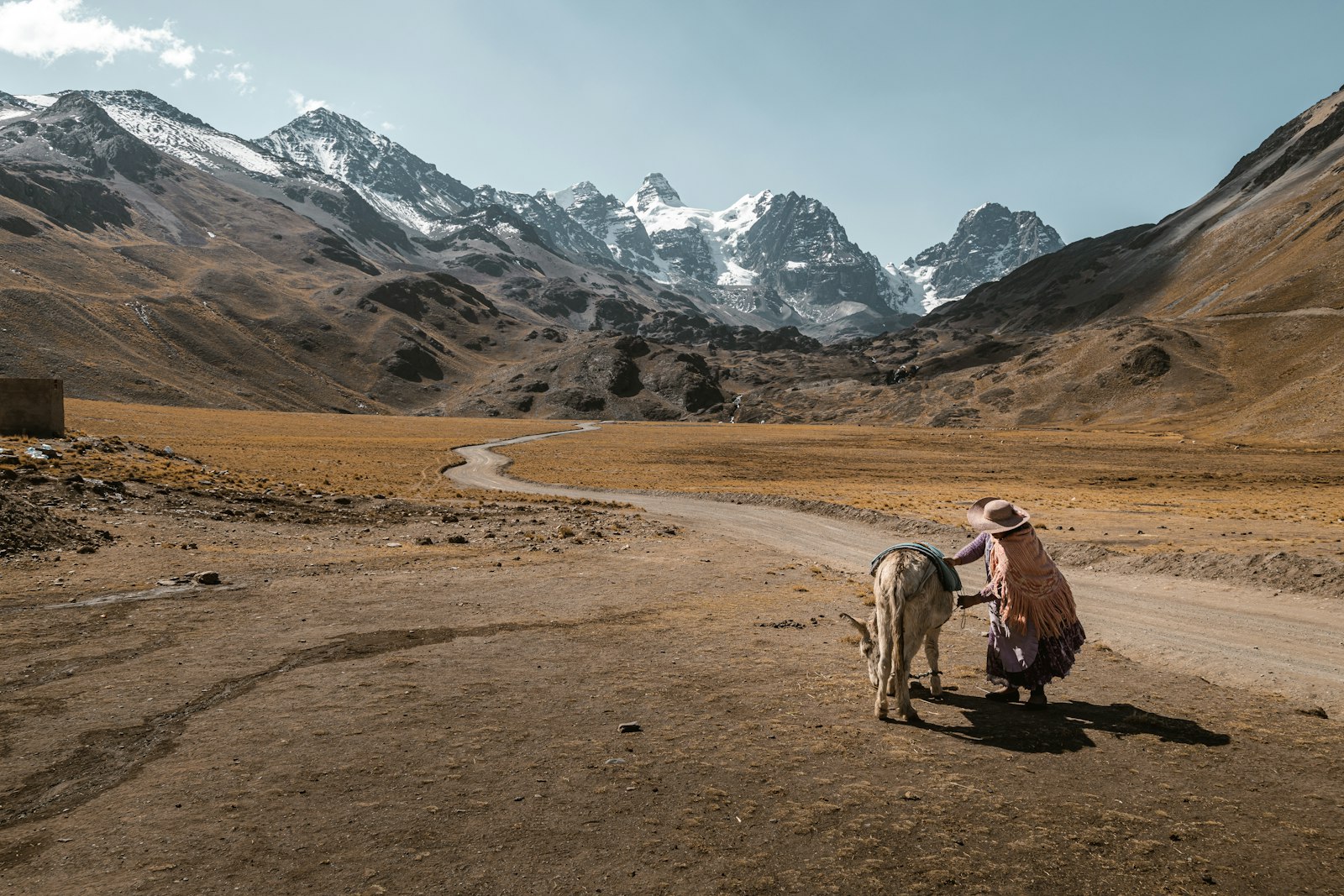
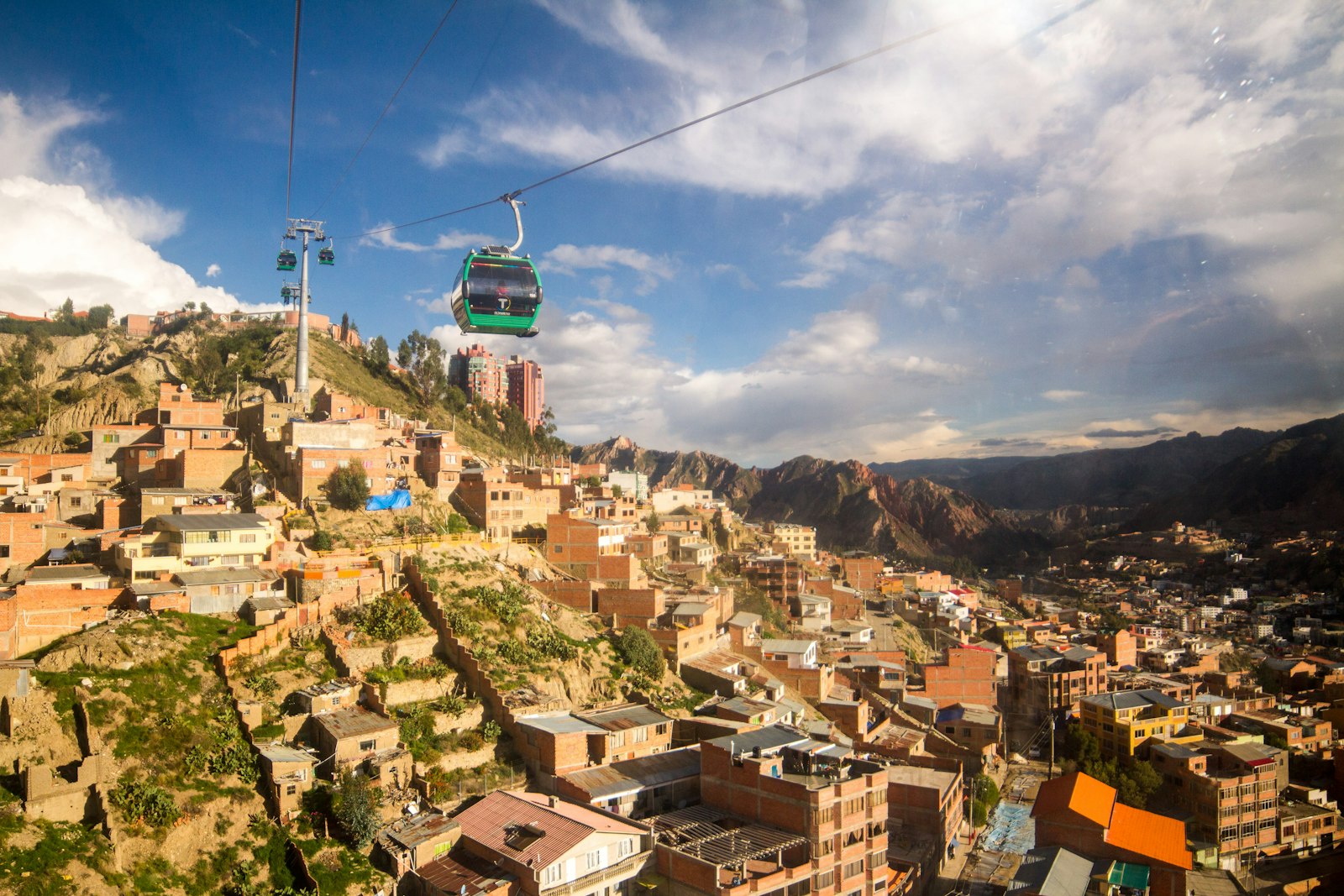
La Paz, at around 3,640 metres, is the highest seat of government in the world, and its airport, in El Alto, is above 4,000. That makes it the perfect place to start acclimatising: a couple of days exploring the city, riding its cable cars with Illimani in the background, prepare the body for what comes next.
In the Condoriri group, about three hours from La Paz, Pequeño Alpamayo (5,370 m) owes its name to its resemblance to the famous Alpamayo in Peru: an almost perfect snow pyramid. Base camp sits beside Lake Chiar Khota, at around 4,600 metres.
The usual plan is to climb Pico Austria first to acclimatise and, the next day, link Tarija and Pequeño Alpamayo. The final ridge is narrow and steep, with snow sections of around 50 degrees: not a summit for beginners, but within reach of anyone already comfortable with crampons and an ice axe.
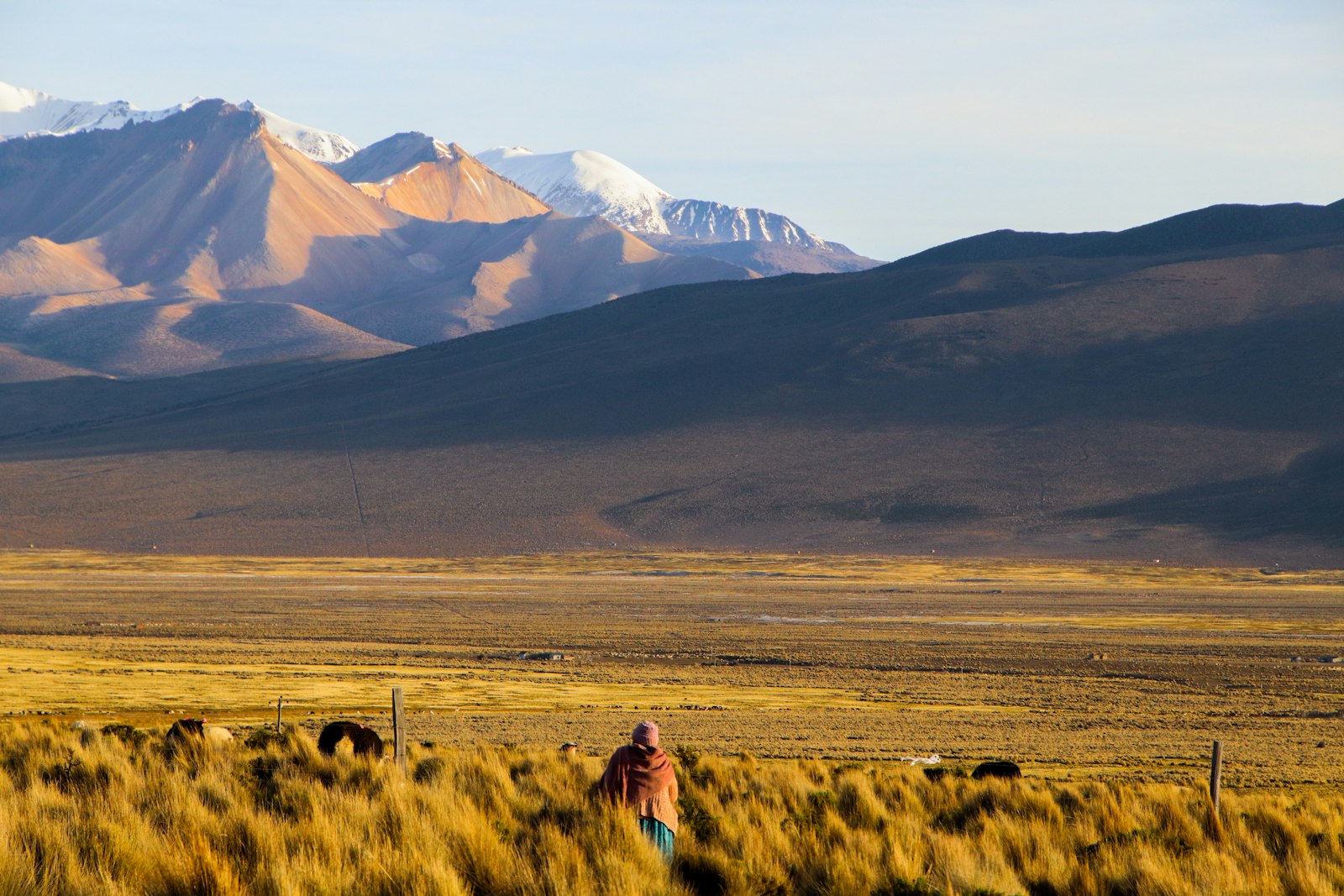
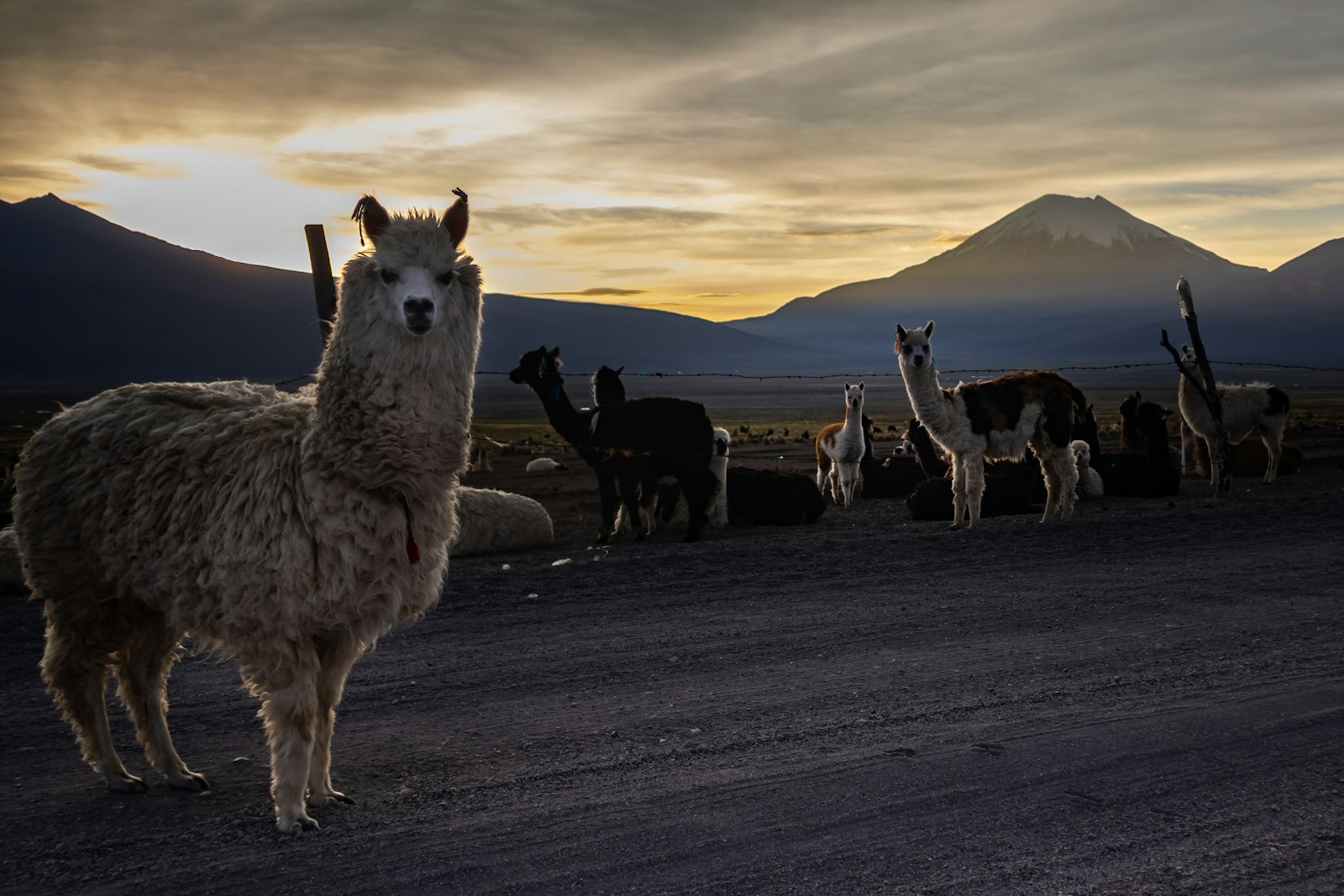
Sajama (6,542 m) is an extinct volcano that rises alone from the altiplano, near the Chilean border. It lies inside Sajama National Park, the oldest in Bolivia, home to some of the highest-growing forests in the world and natural hot springs.
The normal route climbs a long scree ridge to a high camp at around 5,700 metres. On summit day you leave in the early hours and reach the snow, sometimes with penitentes, up to the vast, flat summit crater, with views of the Parinacota and Pomerape volcanoes.
This trip is for climbers with some experience. Both mountains require you to move confidently in crampons with an ice axe, and Sajama means a very long day above 6,000 metres. As always, acclimatisation matters most: that is why we start in La Paz, continue with Pico Austria and leave Sajama for the end. To prepare, read about altitude sickness and how to train for an expedition.
The best time is the dry season, from May to September, with clear days and very cold nights. On Sajama the wind can be strong, so it pays to have some margin.
We have a departure from 19 to 29 June 2027, with more dates from May to September on request: 11 days from La Paz with Pico Austria, Tarija and Pequeño Alpamayo, a rest day and Sajama, with guide, cook, porters and accommodation included. From $1,765.
How high is Sajama?
6,542 metres. It is the highest mountain in Bolivia, an extinct volcano in Sajama National Park.
Is Pequeño Alpamayo difficult?
Its final ridge is narrow and steep, with sections of around 50 degrees. You need experience with crampons and an ice axe.
When is the best time to climb in Bolivia?
From May to September, in the dry season.
Can I hire gear in La Paz?
Yes. All the technical gear can be hired in La Paz: crampons, ice axe, harness, helmet and boots.