Nepal is home to eight of the world’s ten highest peaks and some of the most rewarding trekking routes on Earth. From the iconic trail to Everest Base Camp (read our complete guide) to the quiet valleys of Langtang and the dramatic amphitheatre of Annapurna Sanctuary, we run small-group guided treks across Nepal for every level of hiker — plus a restorative yoga and meditation retreat for a gentler pace.
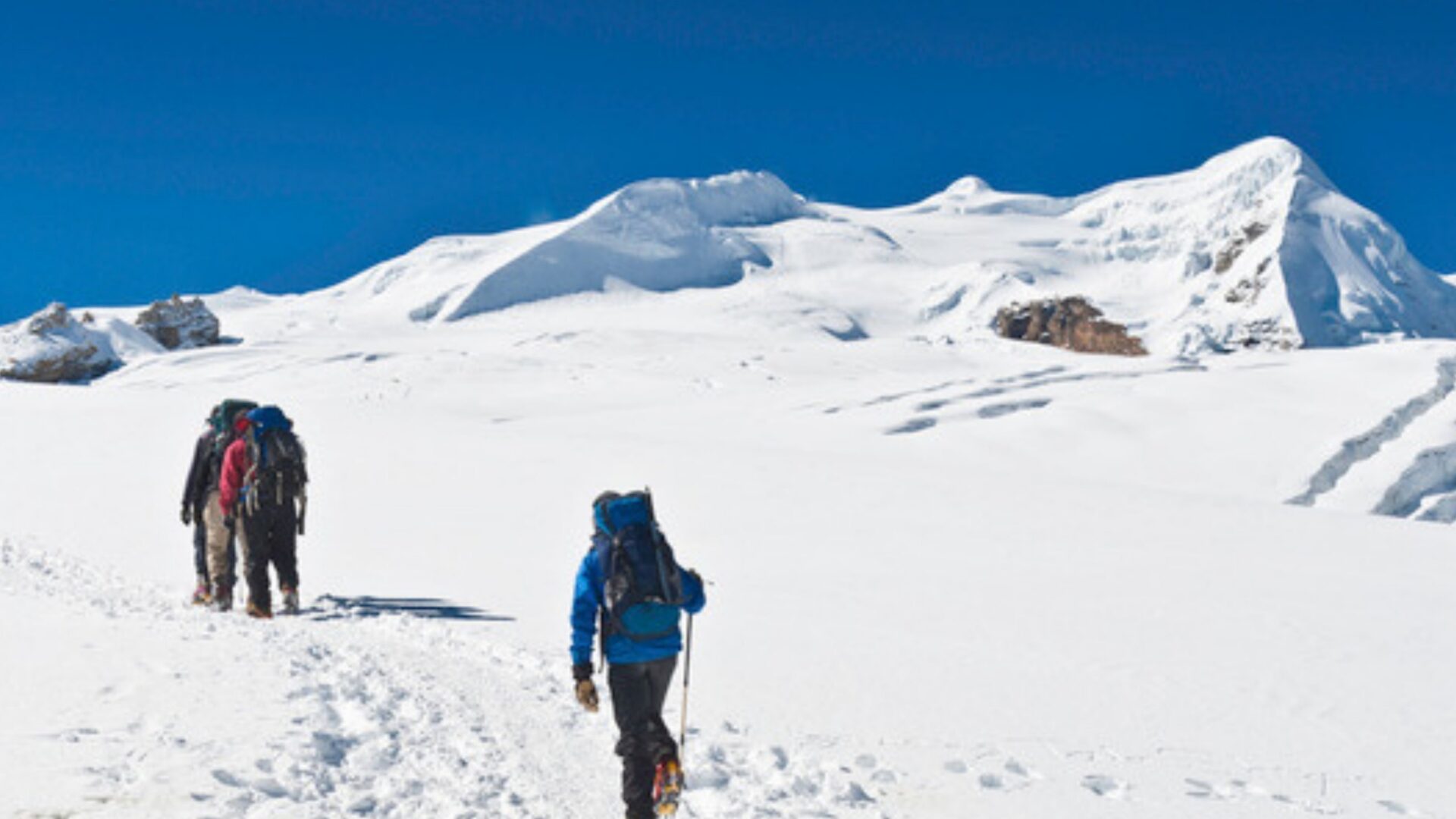

Langtang Valley Trek, Nepal – National Day 2026
A scenic trek through Nepal’s beautiful landscapes, rich in culture and natural wonders, with the highlight being the climb…

Annapurna Base Camp, Nepal – March 2027
A stunning trek through diverse landscapes, leading to the heart of the Himalayas at 4,130 meters, where you’ll be…
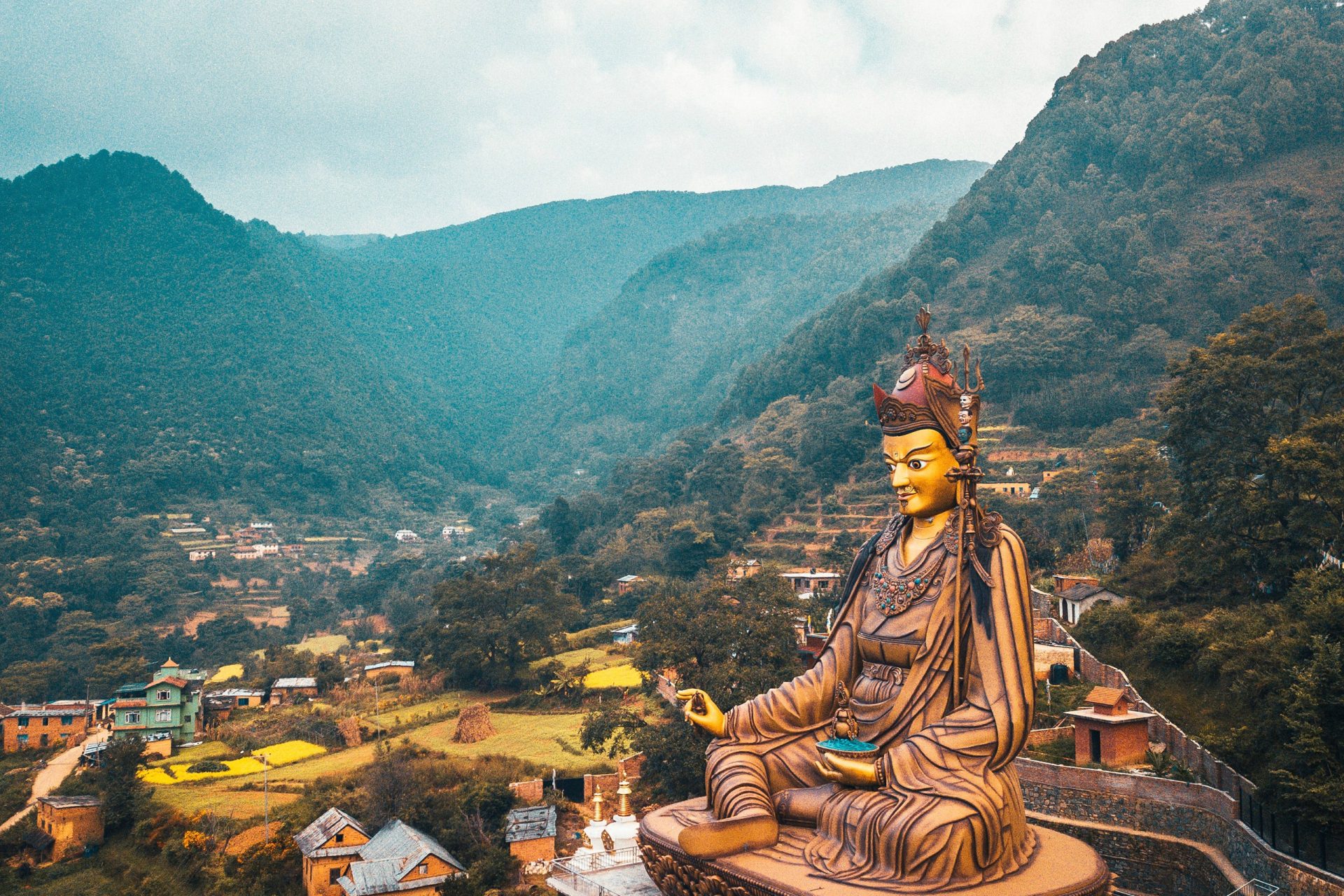
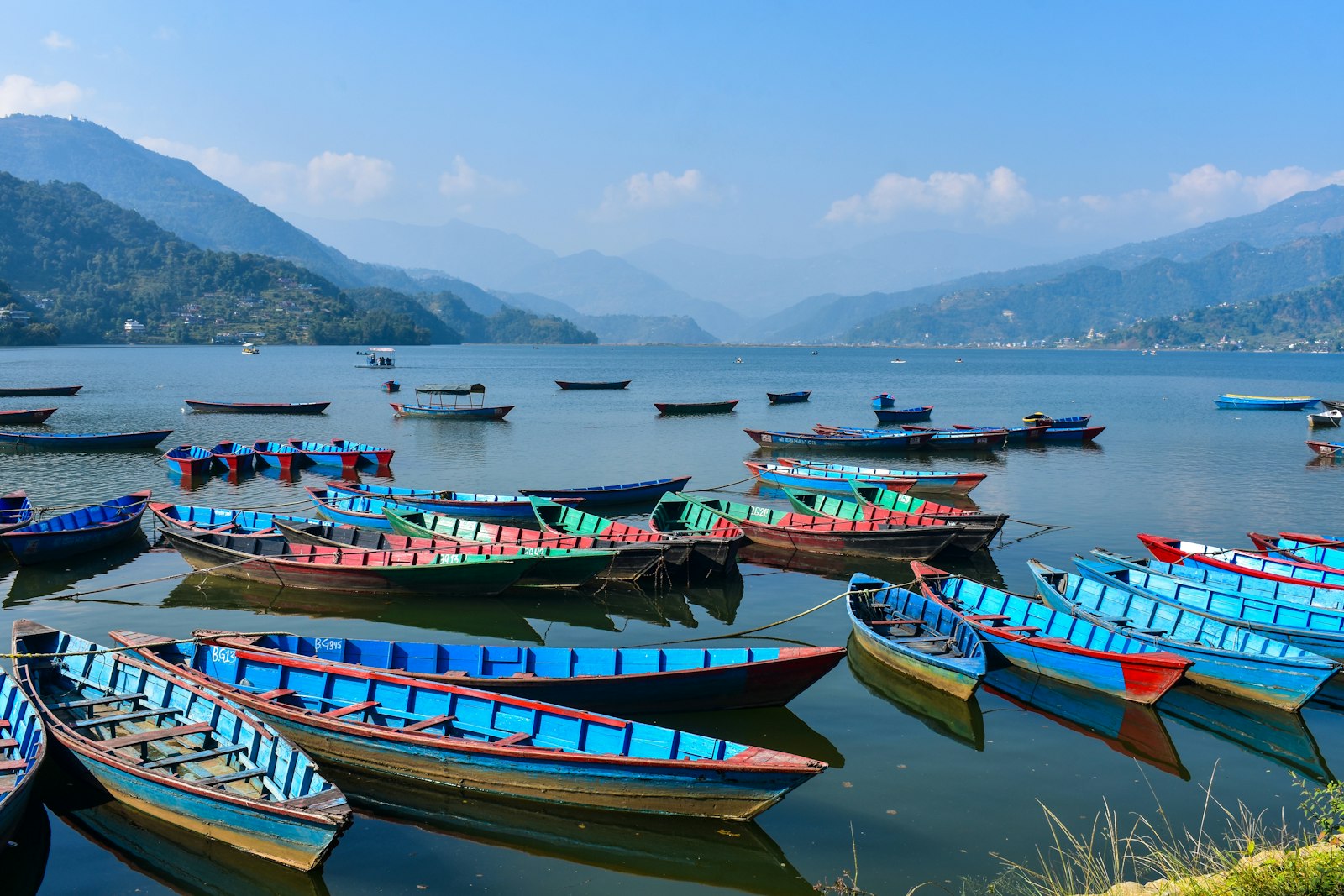
Yoga, Sound Healing & Meditation in Nepal – November to May
The retreat in the ashram is a peaceful getaway offering spiritual rejuvenation, meditation, and self-discovery, set in a tranquil…
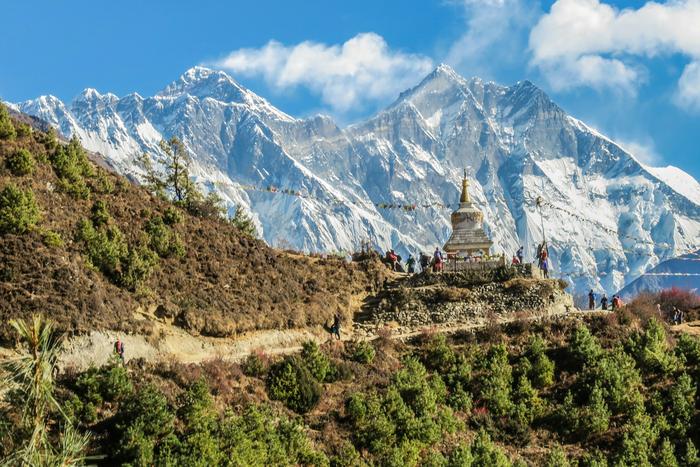
Everest Base Camp, Nepal – National Day 2026 & Spring 2027
The Everest Base Camp trek is a challenging journey through the heart of the Himalayas, taking you to 5,364…
For a first trip to the Himalaya, the two classics are Everest Base Camp (14 days, 5,364 m) and Annapurna Base Camp (12 days, 4,130 m). Neither has any technical difficulty and you sleep in teahouses every night. Annapurna is shorter and greener, with bamboo forest giving way to high mountain terrain within a single day’s walk; Everest goes higher, through Sherpa villages and the glaciers of the Khumbu.
Langtang is the quiet alternative: 10 days, close to Kathmandu, with a summit day on Tsergo Ri (5,150 m). If you want to stand above 6,000 m, Lobuche East (6,119 m) and Mera Peak (6,476 m) are trekking peaks where crampons, harness and ice axe come into play. And for a slower pace with no long trekking days, there is our 4-day Pokhara trip and the yoga, sound healing and meditation retreat.
The two good seasons are spring, from March to May, and autumn, from October to November. Autumn brings the clearest skies after the monsoon; spring is warmer, with rhododendrons in flower on the lower trails. From June to September the monsoon brings rain and cloud to most routes.
Travelling over the UAE National Day break? Everest Base Camp and our 4-day Pokhara trip are both on our National Day trips page.
Visa, money and getting there are all covered in our Nepal travel guide.
Do I need trekking experience to trek in Nepal?
Not for Everest Base Camp, Annapurna Base Camp or Langtang: good fitness and some multi-day hiking are enough. For Lobuche East and Mera Peak, previous experience at altitude makes a big difference.
Which is harder, Everest Base Camp or Annapurna Base Camp?
Everest Base Camp goes higher (5,364 m against 4,130 m) and takes two more days, so the altitude asks more of you. We compare both in detail in our Annapurna vs Everest Base Camp guide.
What is the best time to trek in Nepal?
Spring (March to May) and autumn (October to November). The monsoon, from June to September, brings rain and cloud to most trekking routes.
How do you deal with altitude sickness?
With time: our itineraries climb gradually and include acclimatisation days. Everything you need to know is in our guide to altitude sickness and acclimatisation.
Can you organise a trek for my own group?
Yes. If you are travelling with friends or your own group, get in touch and we will look at dates and options with you.