
On some trips, the hardest part is finding a gap in the crowd for a photo. On others, you can go a whole day without meeting anyone except a shepherd, a local guide or your own group. This list is about the second kind: off-the-beaten-path destinations, places most people have never heard of, and trips that still feel like a discovery.
None of them are impossible or dangerous. They stayed off the big tourist routes because they are remote, because they were closed for decades, or simply because getting there takes more than a cheap flight. What they share is landscapes that stop you in your tracks, a culture that is still its own, and that increasingly rare feeling of finding something new.
There is no official definition, but you notice it in three ways. There are no queues, whether at viewpoints, on trails or at monuments. Tourism has not yet changed the place, and people still live much as they always have. And getting there takes a little logistics: a connecting flight, a 4×4, a night in a tent or a permit. That small extra effort is exactly what keeps the crowds away.
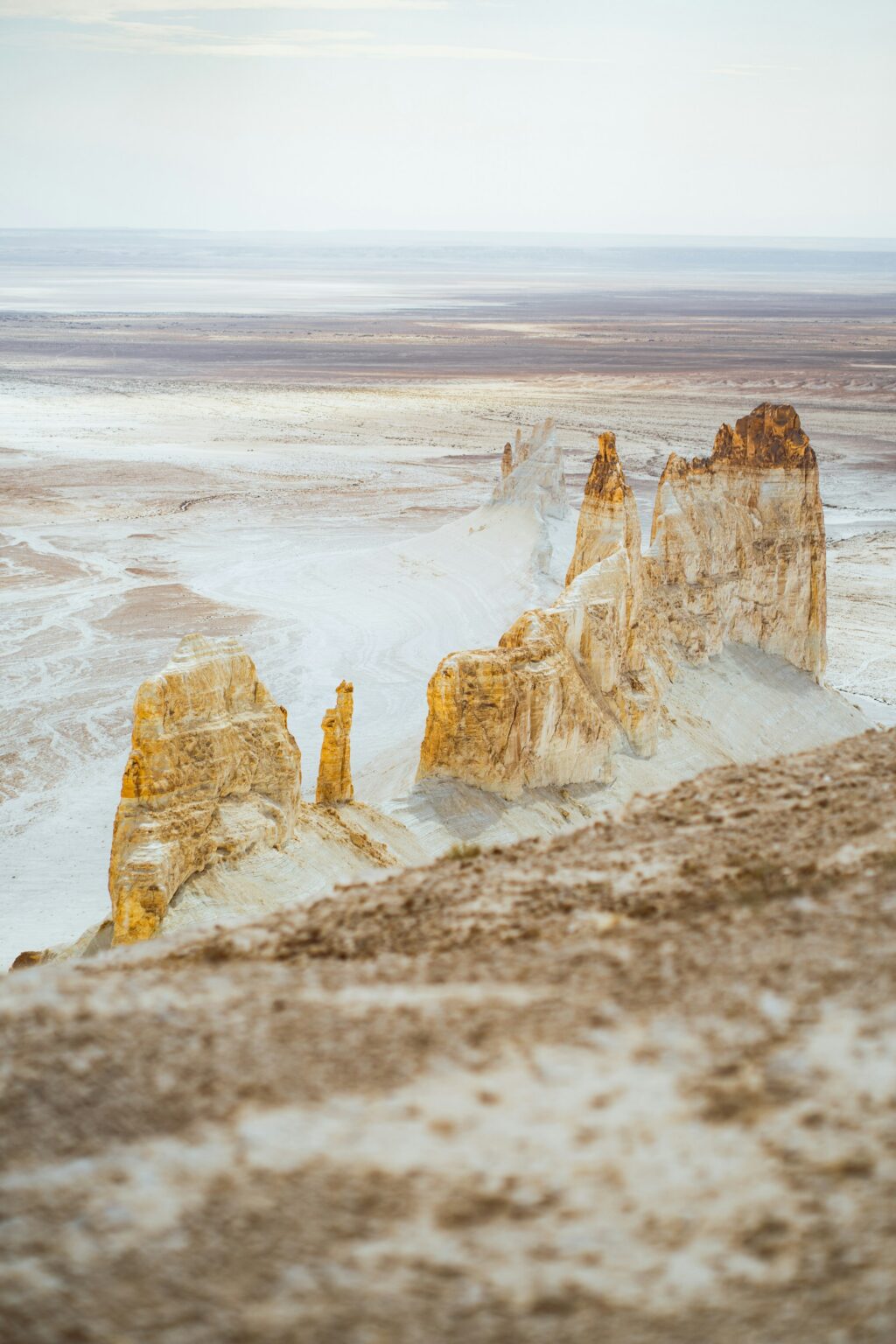
In the far west of Kazakhstan, by the Caspian Sea, lies a desert that millions of years ago was the floor of the Tethys Ocean. Today it is white chalk cliffs, coloured canyons, salt flats and stone spheres scattered across the steppe. Aktau was a closed city in Soviet times and tourism has barely begun: there are no paved roads to the best places and no hotels in the desert, so you travel by 4×4 and sleep in a tent under a sky full of stars.
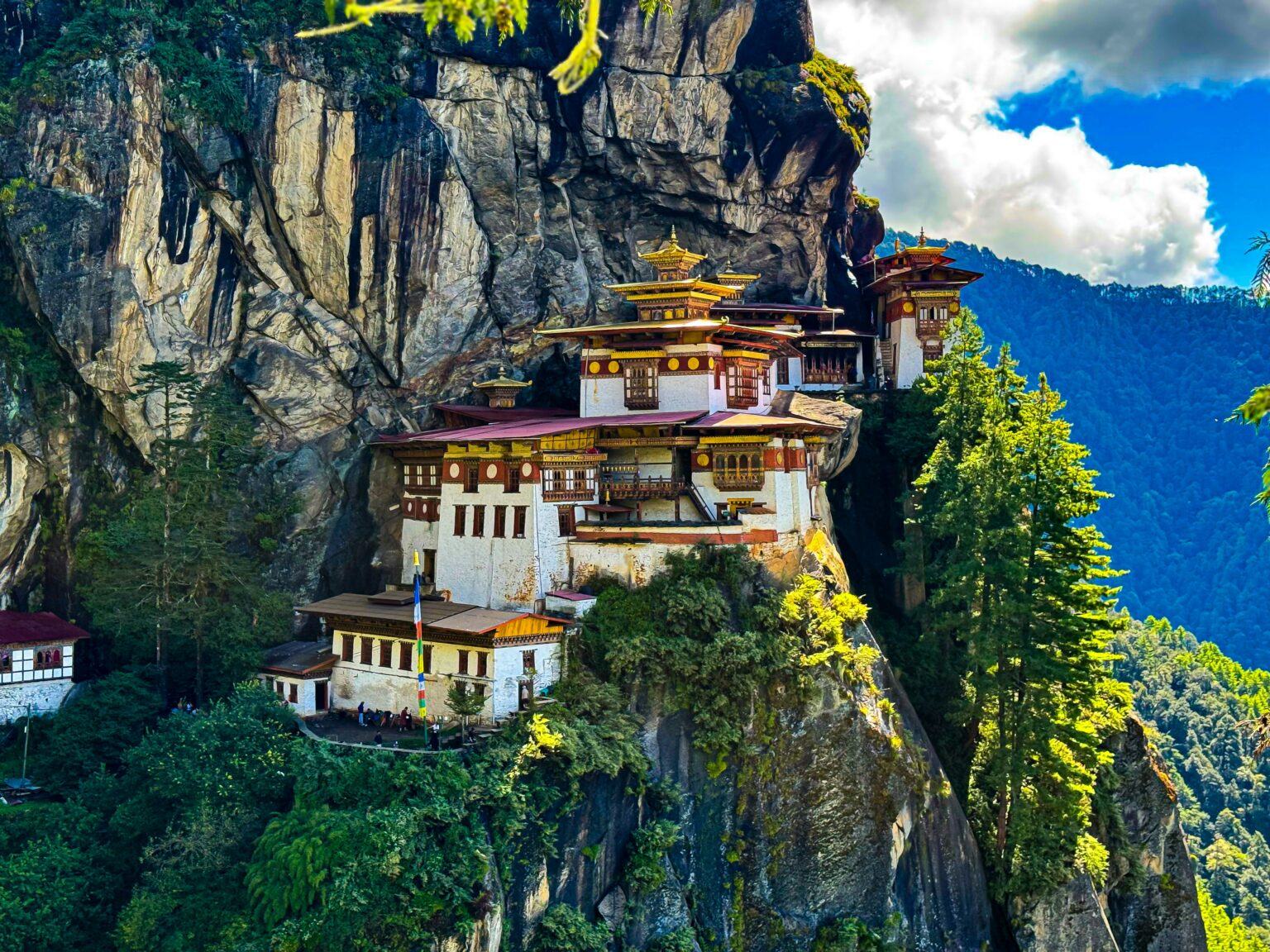
Bhutan was closed to the outside world until 1974 and, when it opened, it chose not to become a mass-tourism destination. Every visitor pays a daily sustainable development fee and travels with a licensed guide, so there are no backpacker trails and no big tour groups. What you get instead are dzongs, monasteries clinging to mountainsides, prayer flags on every pass and the hike to the Tiger’s Nest, perhaps the most photogenic monastery in the Himalaya.
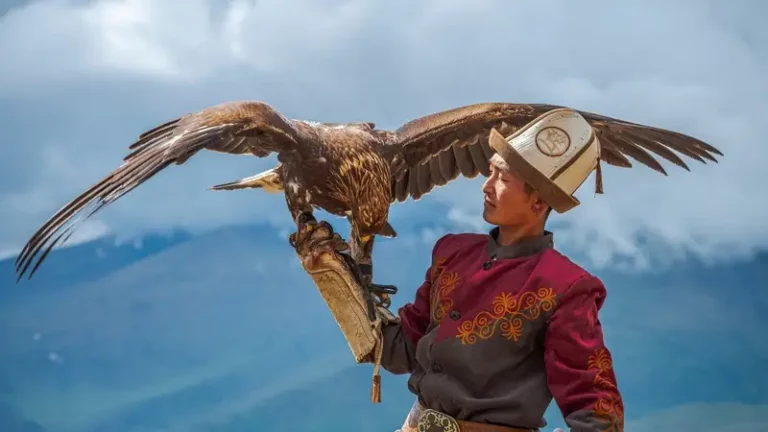
Kyrgyzstan is almost entirely mountains, and in winter even fewer people think of going. Yet that is when you see its most authentic side: riding through snowy valleys, skiing in Karakol, soaking in hot springs surrounded by snow, watching an eagle hunter fly his bird and sleeping in a yurt or with a local family. No experience needed, just normal fitness and a taste for something different.
See Kyrgyzstan winter tour: 7 days · Kyrgyzstan in winter: what to expect
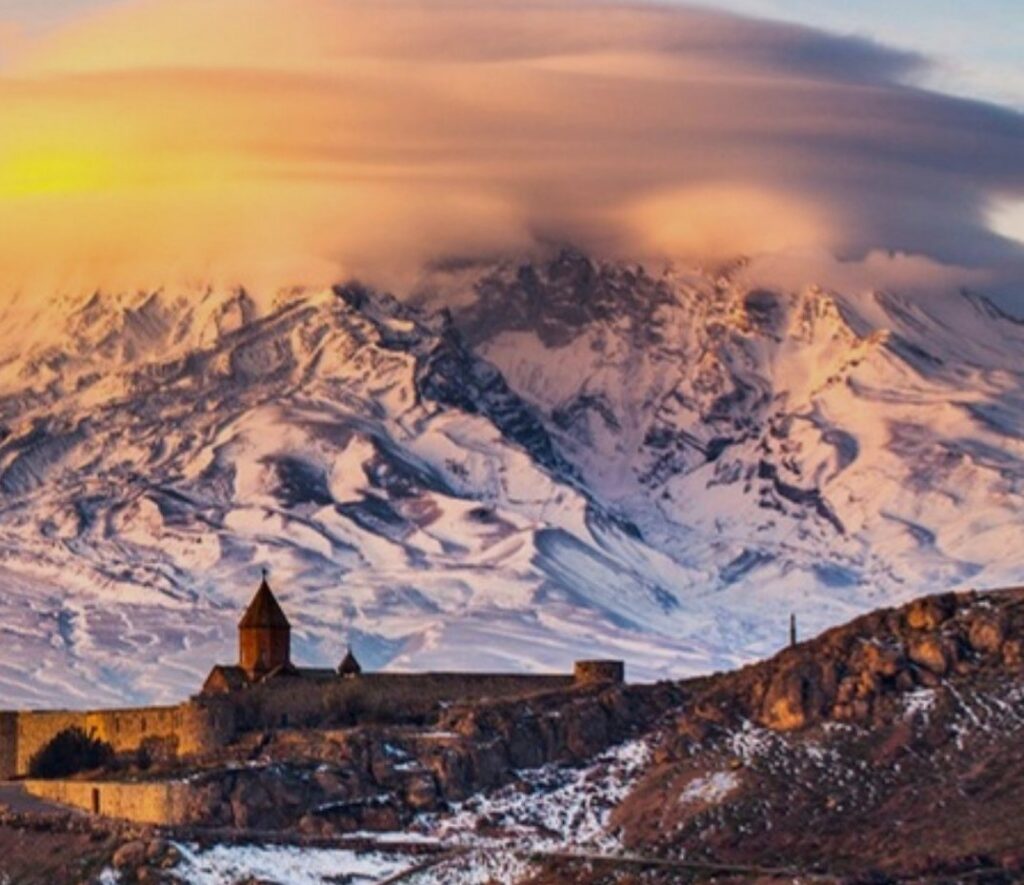
Armenia was the first country to adopt Christianity as its state religion, and almost every trail leads to a monastery, a carved stone cross or a ruined fortress. It is small, mountainous and still little known, so you can walk through the forests of Dilijan or climb to a medieval fortress with no one but your guide. And always, on the horizon, Mount Ararat.
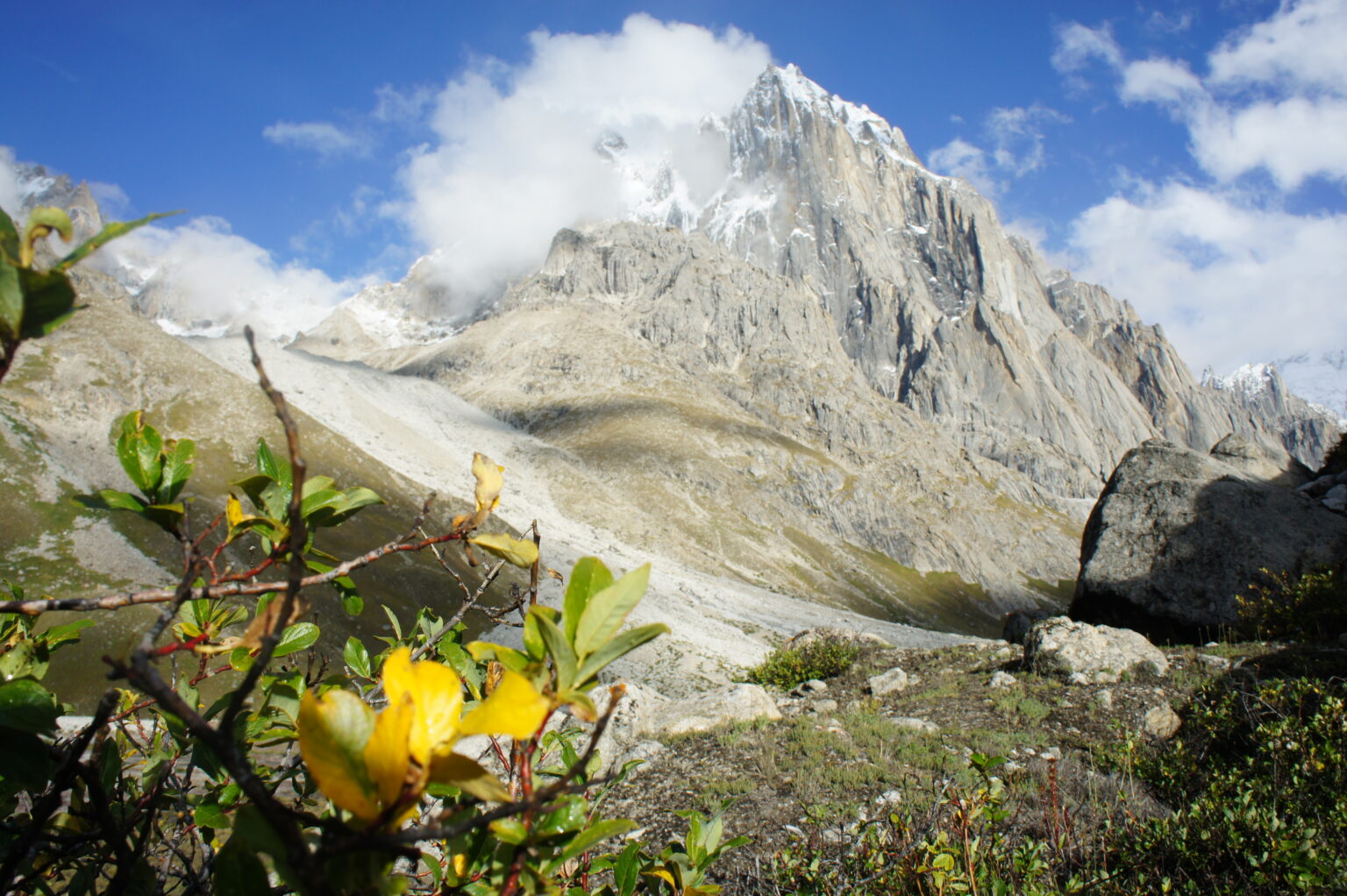
The Karakoram holds some of the most spectacular mountains on Earth and sees a fraction of the trekkers who go to Nepal. From Hushe, the Charakusa valley leads to K7 base camp among granite spires that look like they belong on another planet. There are no lodges or tourist villages: you walk with local guides and porters and sleep in camps. It is demanding because of its length and altitude, but it involves no technical climbing.
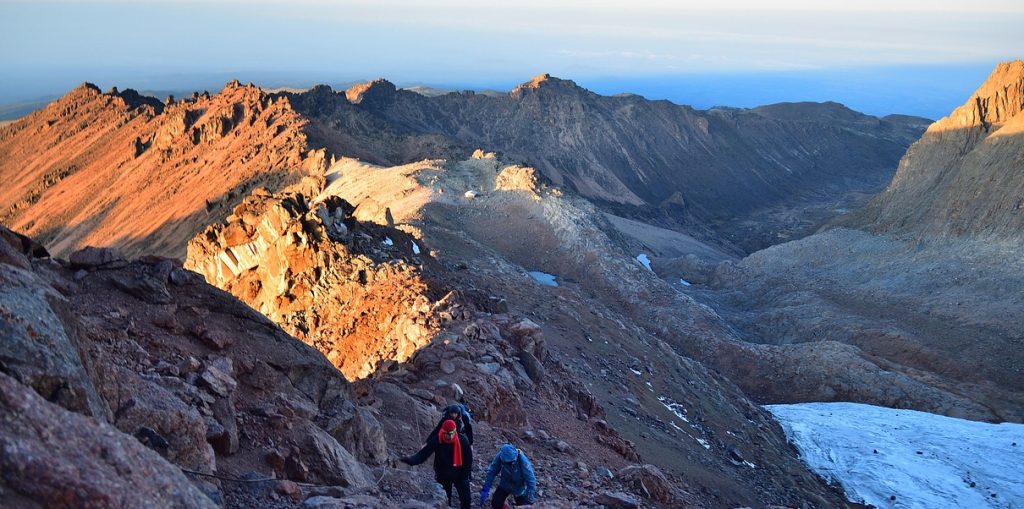
Kilimanjaro gets almost all the fame and almost all the people. A few hundred kilometres away, Mount Kenya sees far fewer visitors and, for many, is the more beautiful mountain: alpine lakes, glacial valleys, otherworldly plants and sunrise from Point Lenana at 4,985 metres, with no technical climbing.
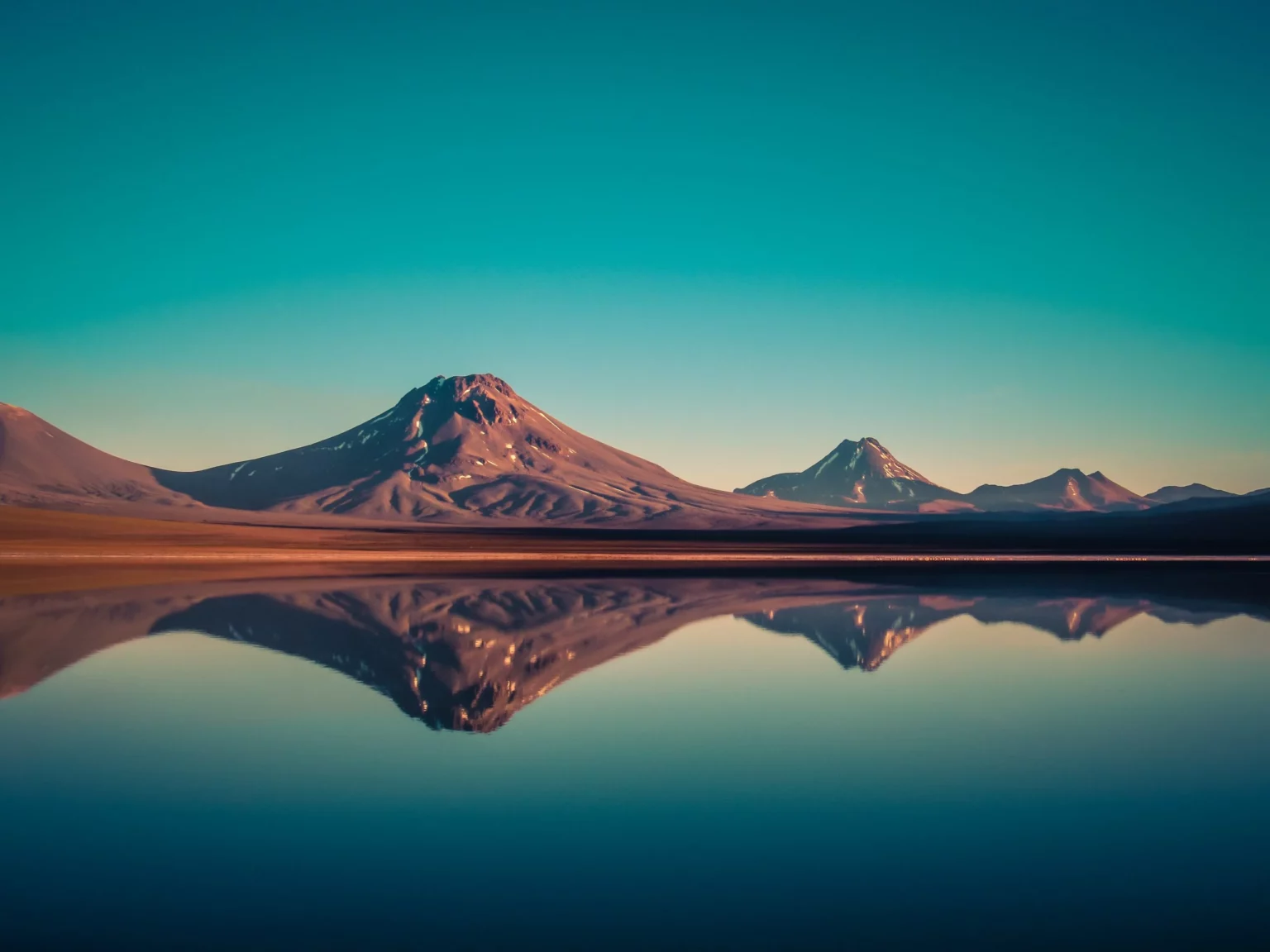
At 6,893 metres it is the second-highest mountain in the Americas and the highest volcano on Earth, yet few people have heard of it. While Aconcagua draws thousands of climbers every season, on Ojos del Salado you can go days without seeing another expedition. It rises from the Atacama Desert among coloured lagoons and volcanoes, and needs no technical climbing, though it does call for altitude experience and good acclimatisation.
See Ojos del Salado expedition · Ojos del Salado, the world’s highest volcano
If you want something gentle, about culture and landscape, with no altitude or long hikes, look at Mangystau, Bhutan, Armenia or Kyrgyzstan in winter. If you want a proper trek, with several days on foot and some altitude, Mount Kenya and the Charakusa valley are two of trekking’s best-kept secrets. And if your goal is a big mountain without the queues, Ojos del Salado is hard to beat. In the Andes, the Huayhuash Circuit (Peru) and Sajama (Bolivia) are still off the busy routes.
All dates are in our departure calendar.
What is an off-the-beaten-path destination?
A place that gets few visitors compared with what it offers, usually because it is remote, was closed for years or takes some logistics to reach. You notice it because there are no queues, tourism has not changed local life and you can go hours without meeting other travellers.
What are the least crowded destinations in Asia?
Some of the most rewarding are Mangystau (Kazakhstan), Kyrgyzstan, Bhutan, the Karakoram in Pakistan and Armenia in the Caucasus. All combine spectacular landscapes with very little tourism.
Do I need experience for these trips?
It depends on the destination. Mangystau, Bhutan, Armenia and Kyrgyzstan in winter suit anyone with normal fitness. Mount Kenya and the Charakusa valley need good stamina, and Ojos del Salado needs altitude experience.
Are these destinations safe?
The trips on this list run with local guides and organised logistics. As with any trip, check your government’s official travel advice before you go.